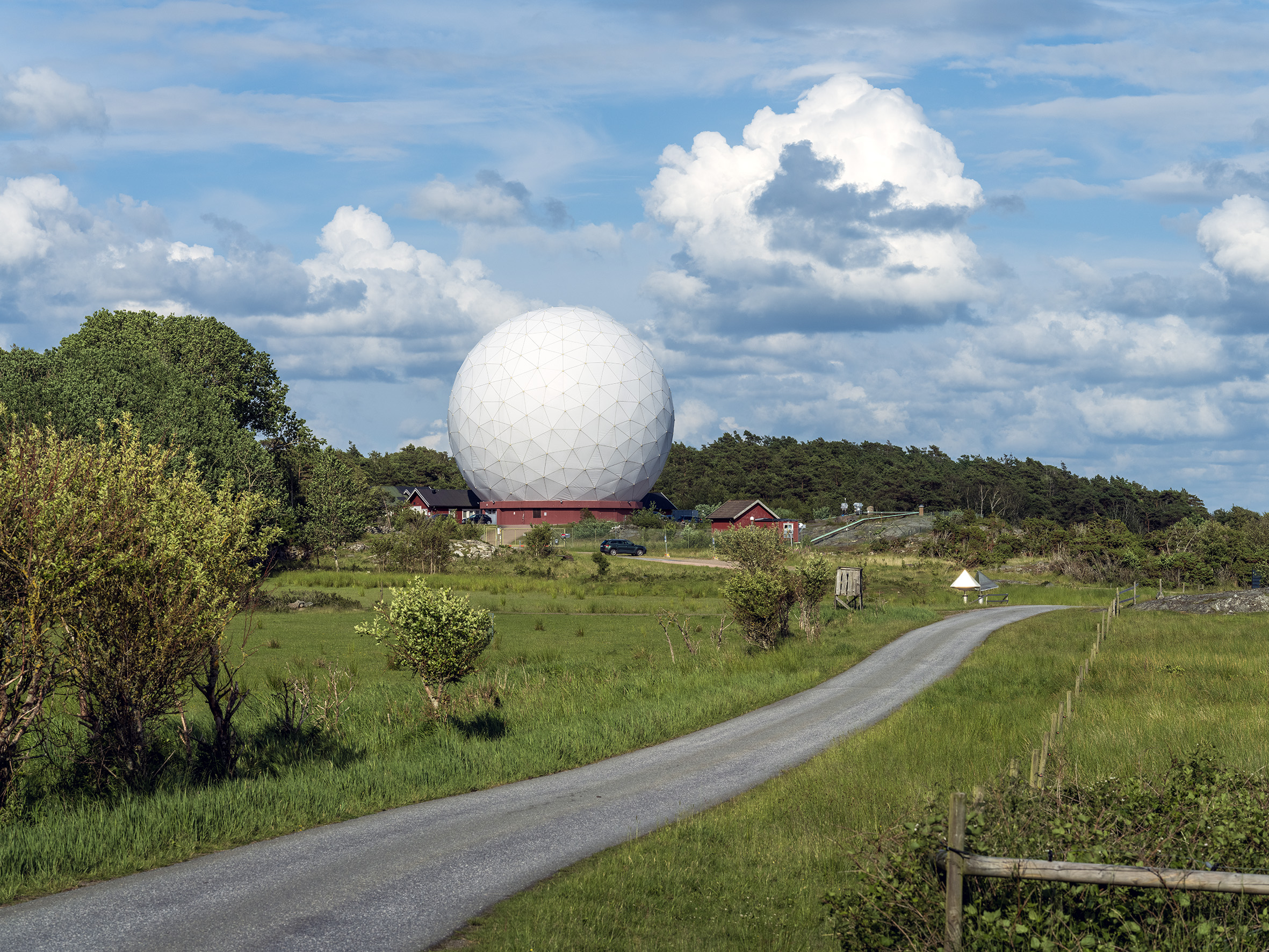
In my current practice-based artistic research, I take as a starting point Berenice Abbott’s photographs of scientific phenomena made at the Massachusetts Institute of Technology in the late 1950s. For Abbott, photography was a vital instrument for fostering public understanding of scientific knowledge, which she viewed as essential in democratic societies. The notion of choreographies of science frames the exploration. The idea of thinking about science as a set of choreographies first emerged in collaboration with nanoscientist Jonas Hannestad in the project Nanosocieties, explored through the video-work Zero Point Energy (see separate post).
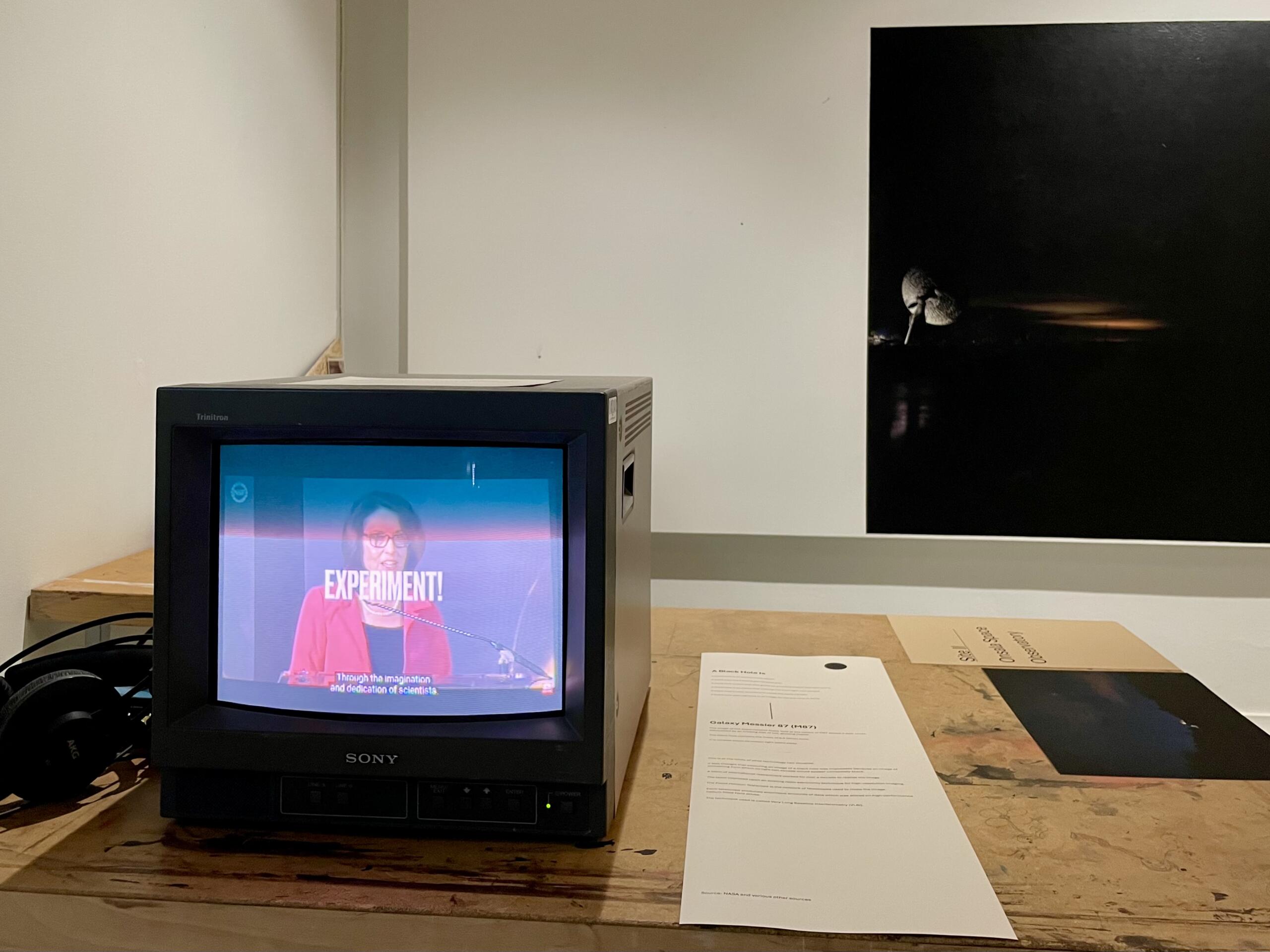
My ongoing artistic research is based at Chalmers University of Technology and the Onsala Space Observatory, located on the west coast of Sweden. I work with photography, film, montage and and a range of techniques and methods including fieldwork at the observatory, archival research, curatorial practice and theoretical contextualisation. The research is visually and conceptually informed by Abbott’s progressive work and seeks to reactivate the visual and ideological discourse she initiated. I am also interested in the first-ever image of a black hole in 2019, as a trope for how facts science operates and the ways in which images relate to the realities they depict.
The research posits that it is relevant to ‘see’ and consider the procedures of science: Scientific knowledge is grounded in rigorous and often time-consuming processes of experimentation, observation, and verification, designed to ensure that findings are robust and reproducible. I refer to this as the choreography of science: a set of well rehearsed movements, interactions with instruments, routines, and methods that structure the construction of scientific knowledge. These choreographies are embedded in the history and present-day practices of institutions such as the Onsala Space Observatory.
The research project started as a postdoctoral fellowship 2024–2026 at HDK-Valand and Hasselblad Foundation.
Below: Work in progress
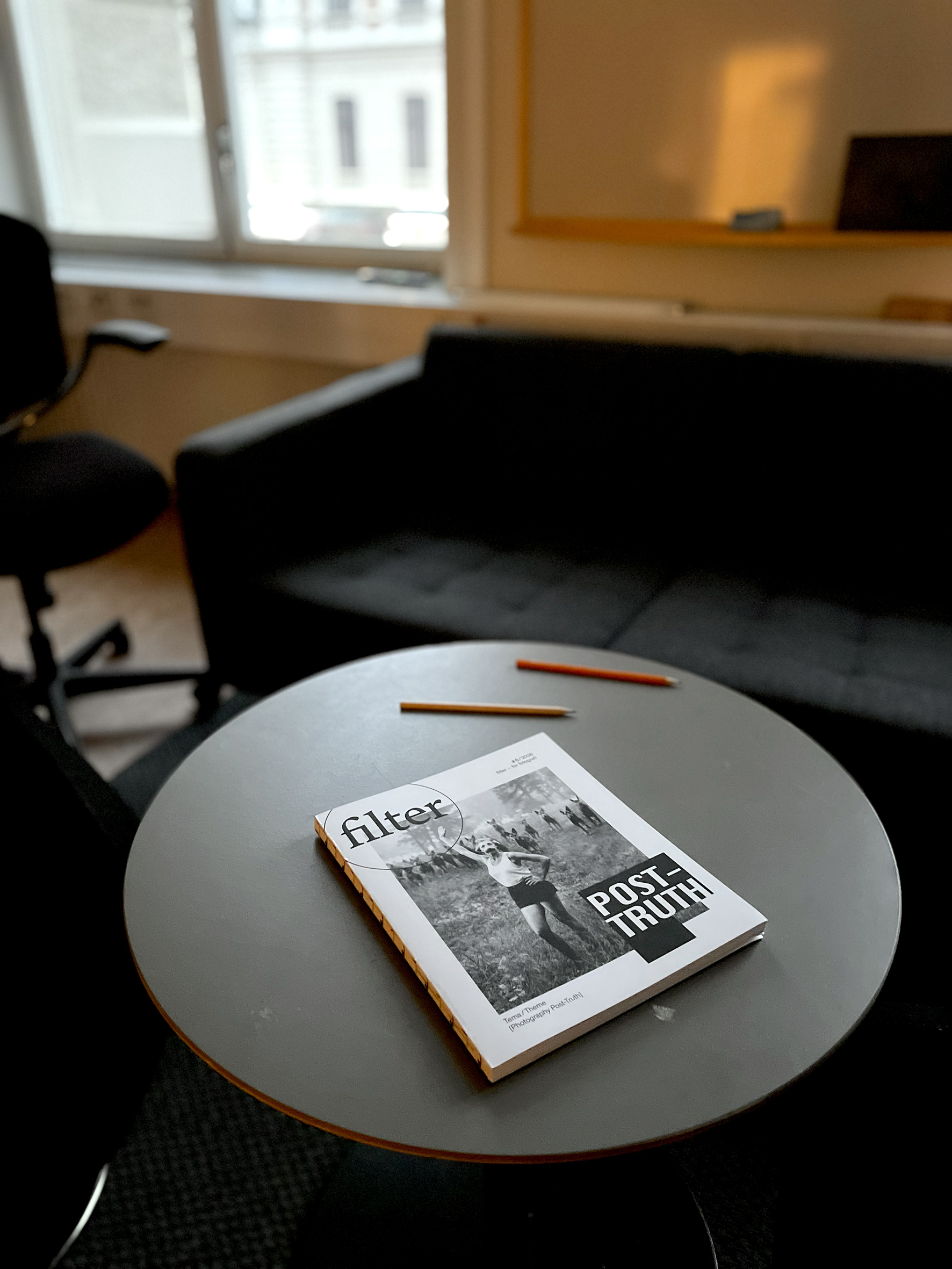
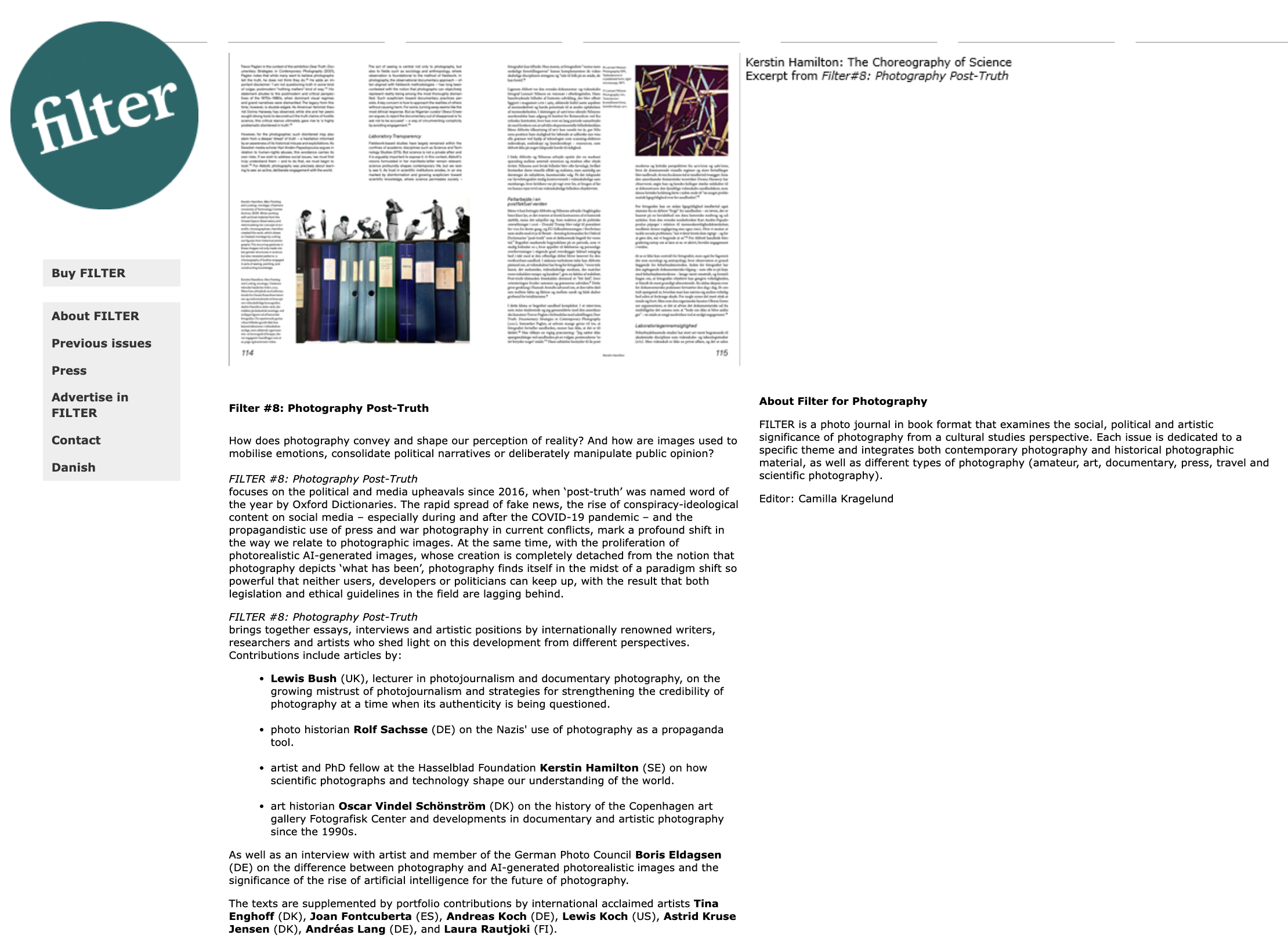
Link: https://www.filterforfotografi.net/en/
…………………………………………………………………………………………
RESEARCH DAYS HDK-VALAND 22–23 JANUARY
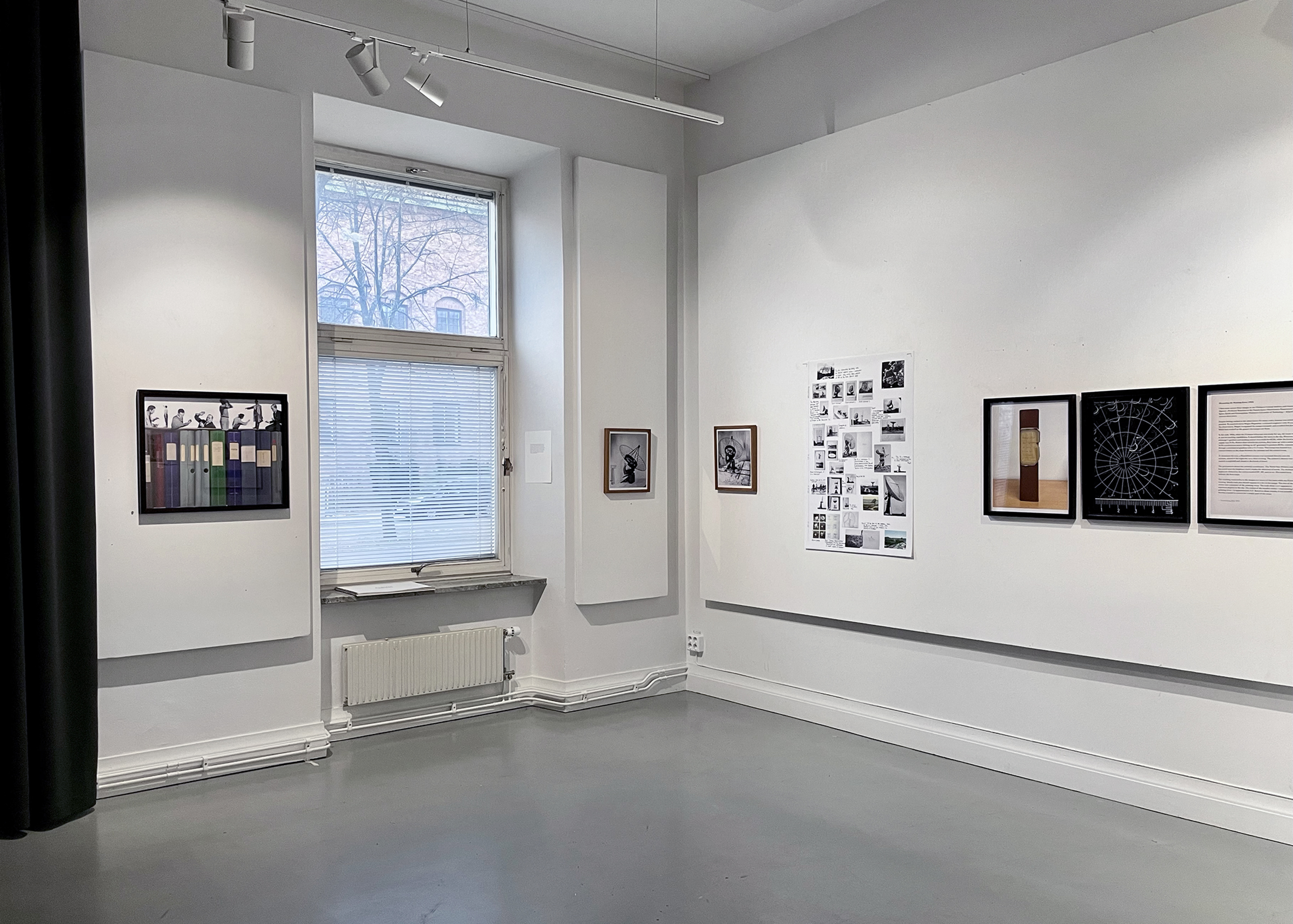
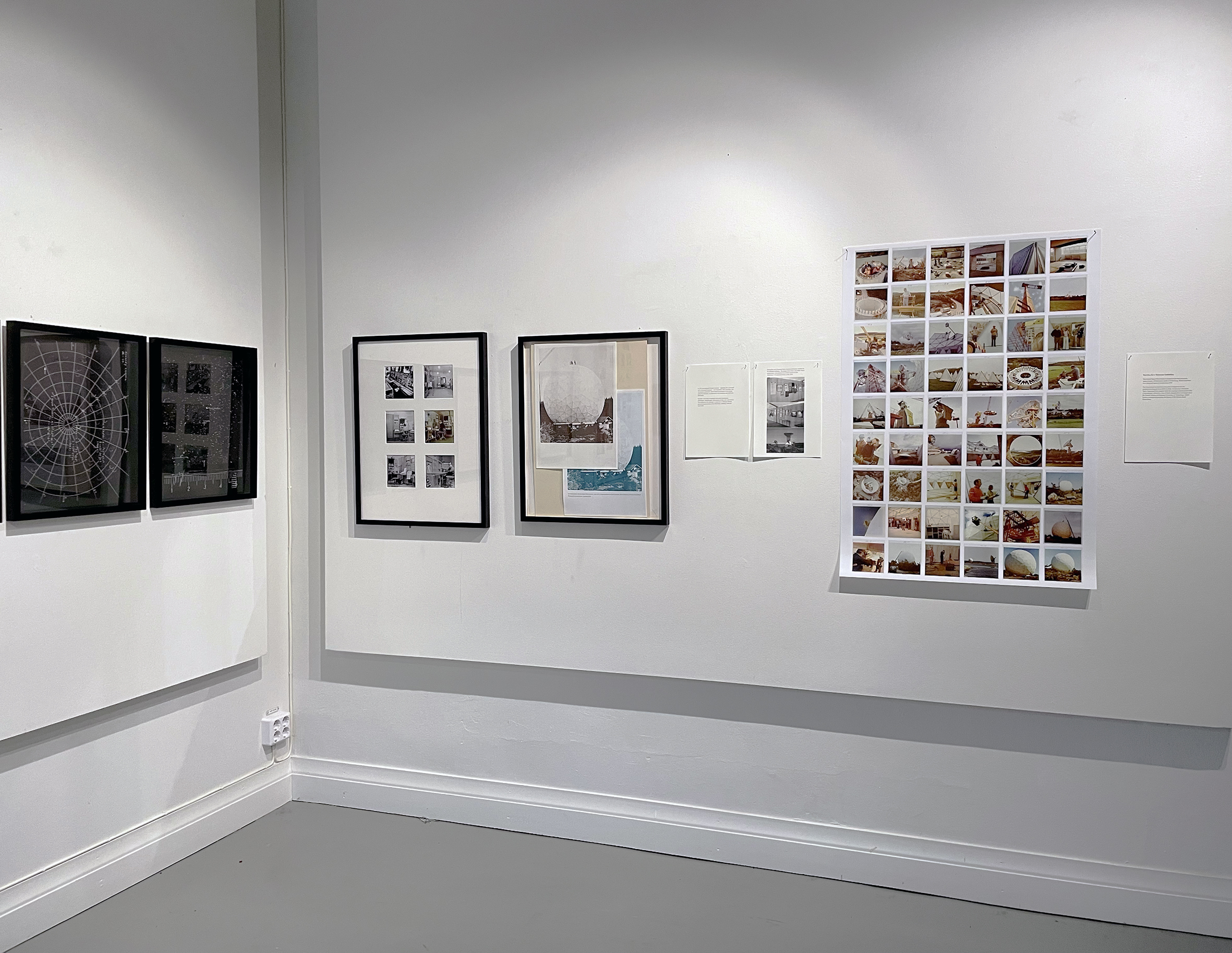
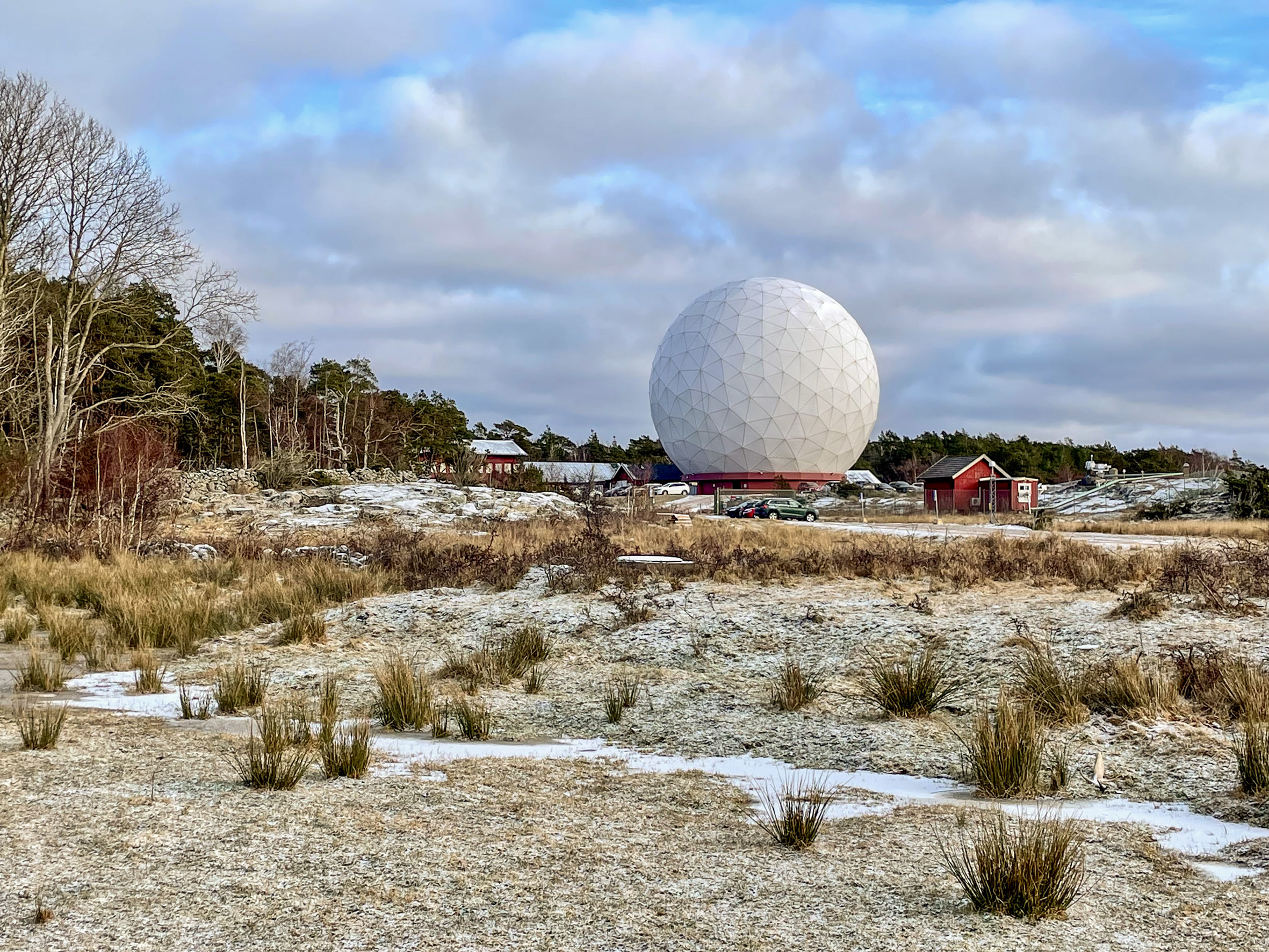
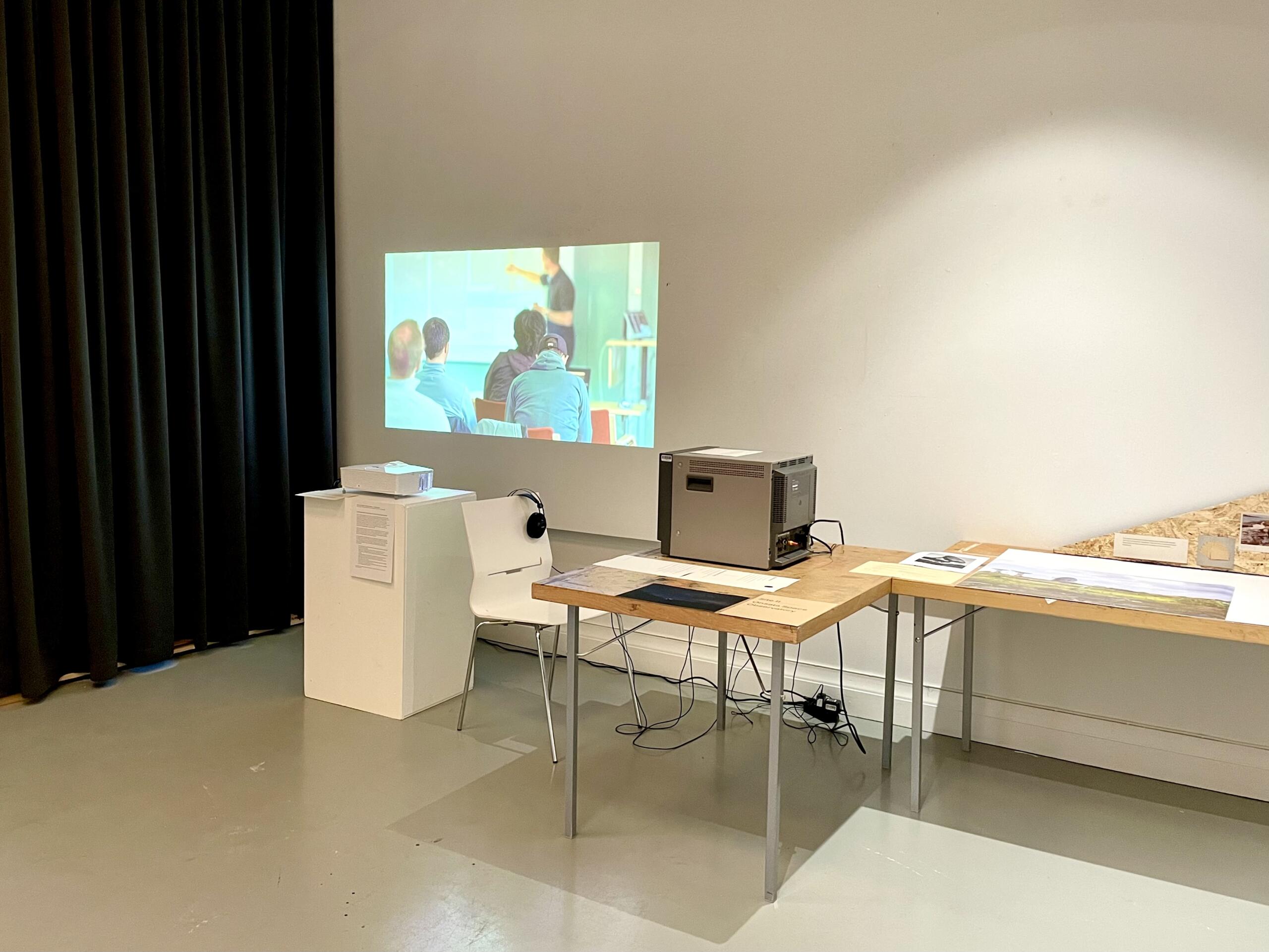
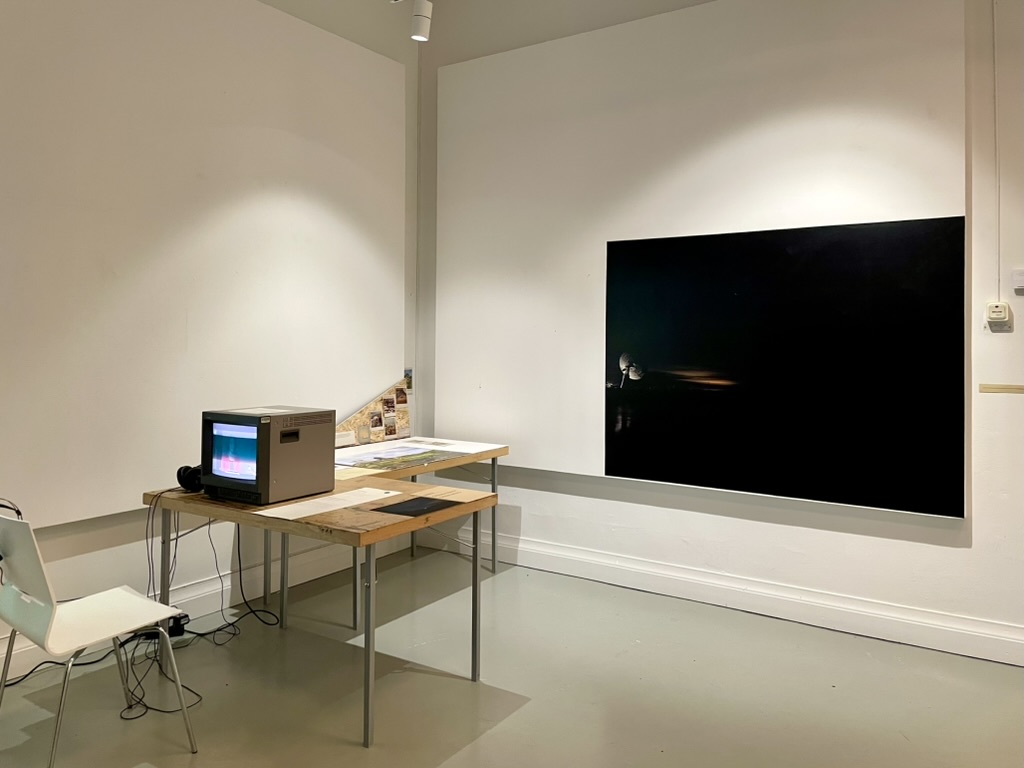
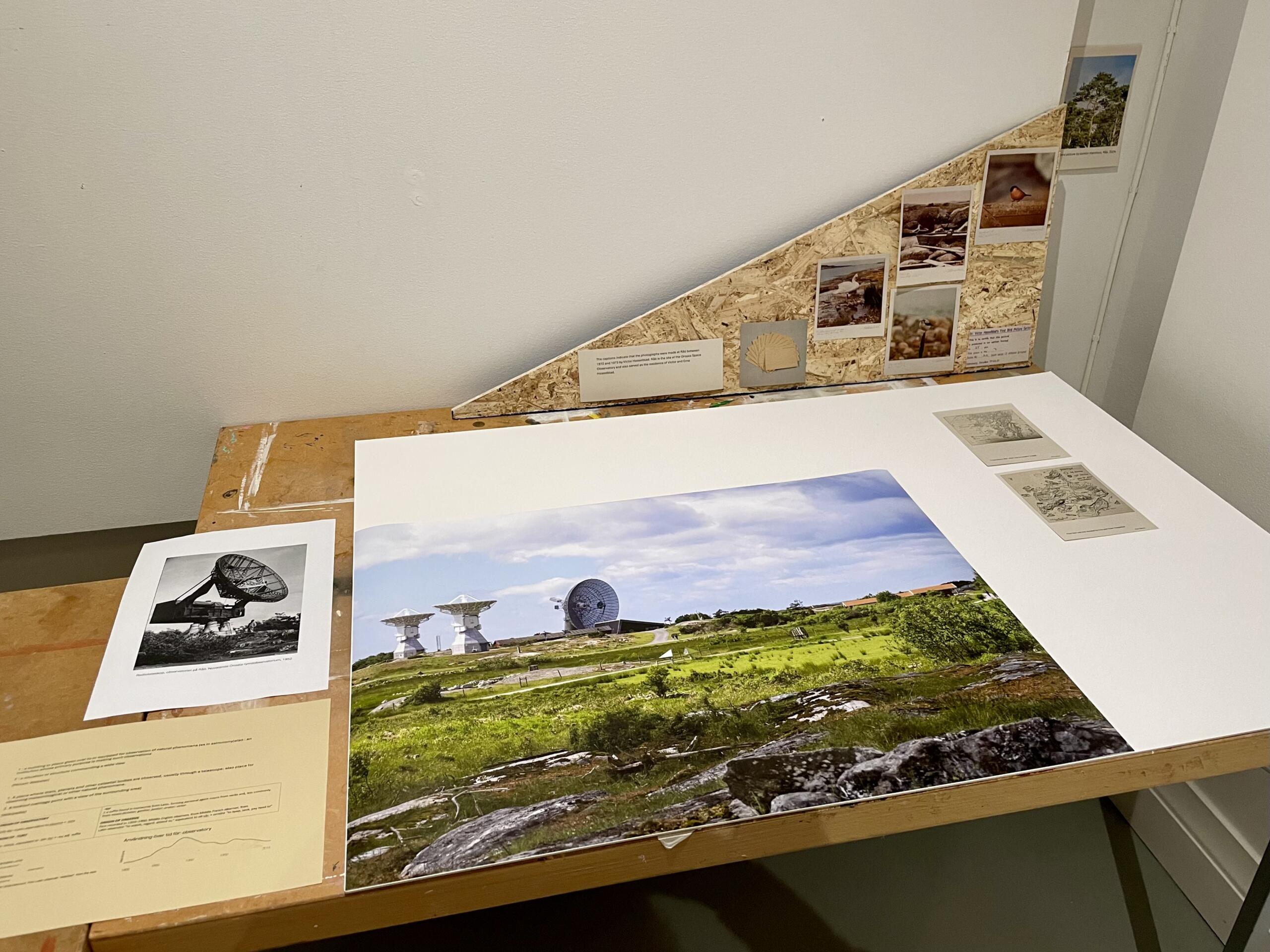
Wall text: “At the Onsala Space Observatory, radio telescopes have observed space since 1949. In 1976, the landmark 20-metre telescope – appearing as a giant golf ball in the coastal landscape – was inaugurated. This presentation introduces sketches for a permanent, historically grounded, archive-based art exhibition to be installed within the telescope (2026–).
The exhibition emerges from a postdoctoral, photography-based research project conducted at the observatory and draws on the notion of the choreography of science: the rehearsed and repeated movements and interactions of humans, instruments, infrastructures, and geographic locations through which scientific knowledge is produced, and in which past, present, and future intersect.”
…………………………………………………………………………………………
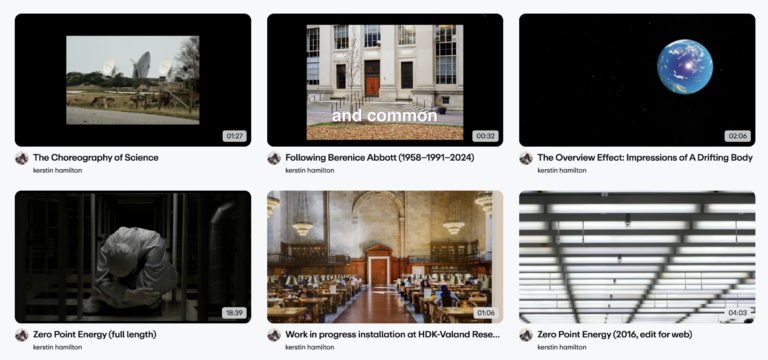
To watch videos connected to this project (screenshot below), click on THIS LINK.
…………………………………………………………………………………………
Sketch #9. Titel: (When the Sky Becomes So Crowded With Satellites That) All That is Visible is Technology
Sketch #17
Sketch #13
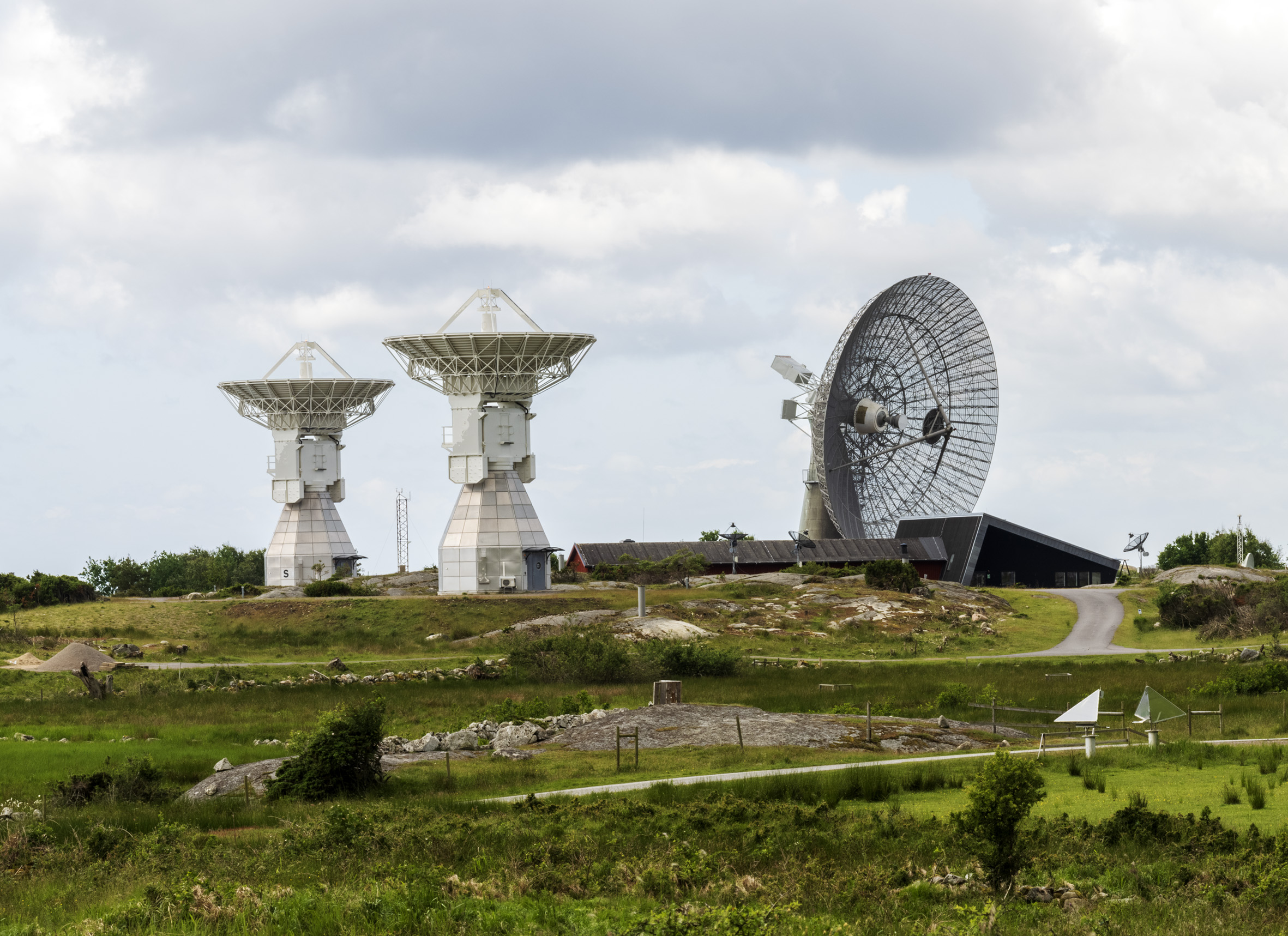
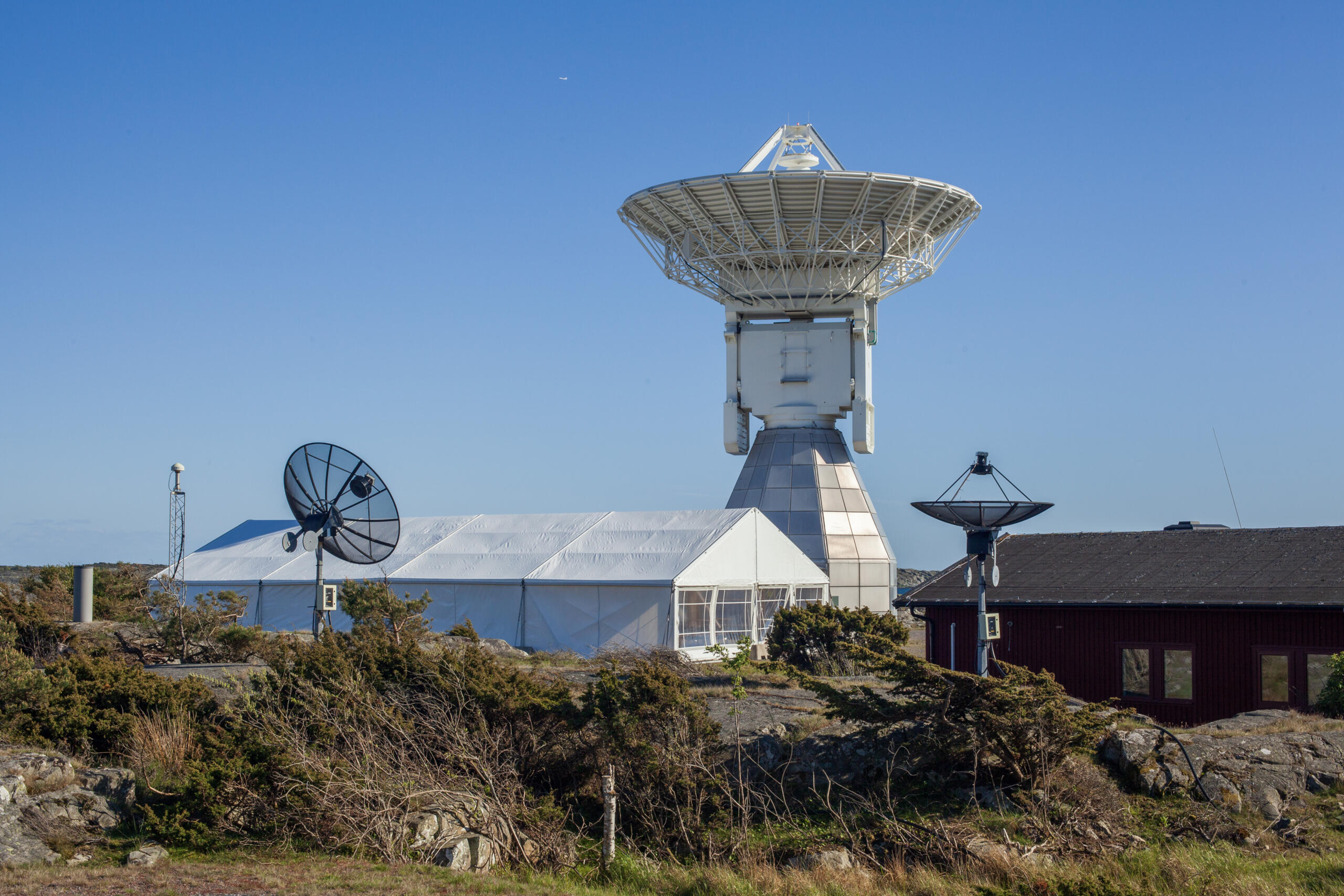
The Onsala Space Observatory | The twin telescopes and the 25 m telescope in between observations, June 2024
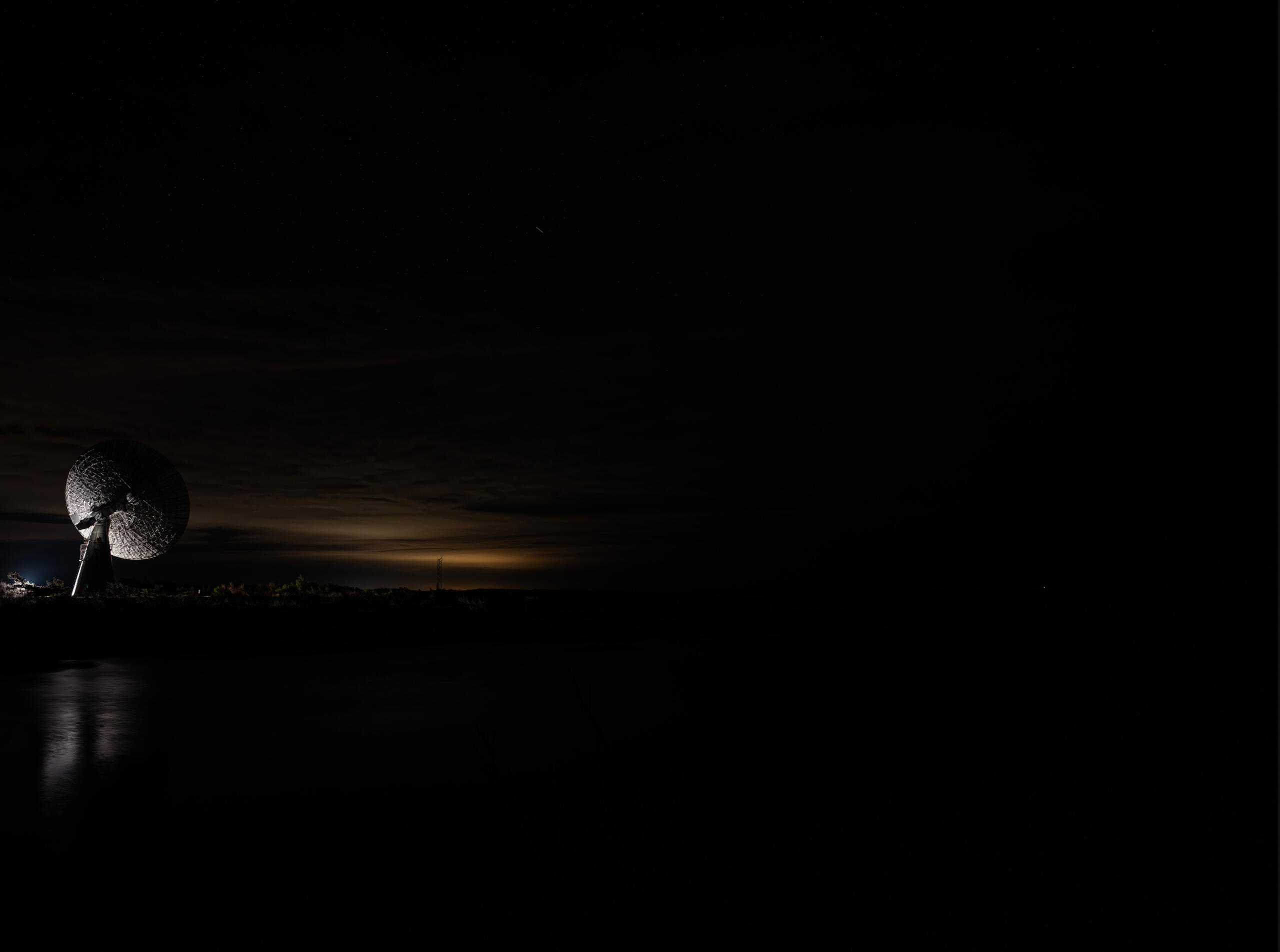
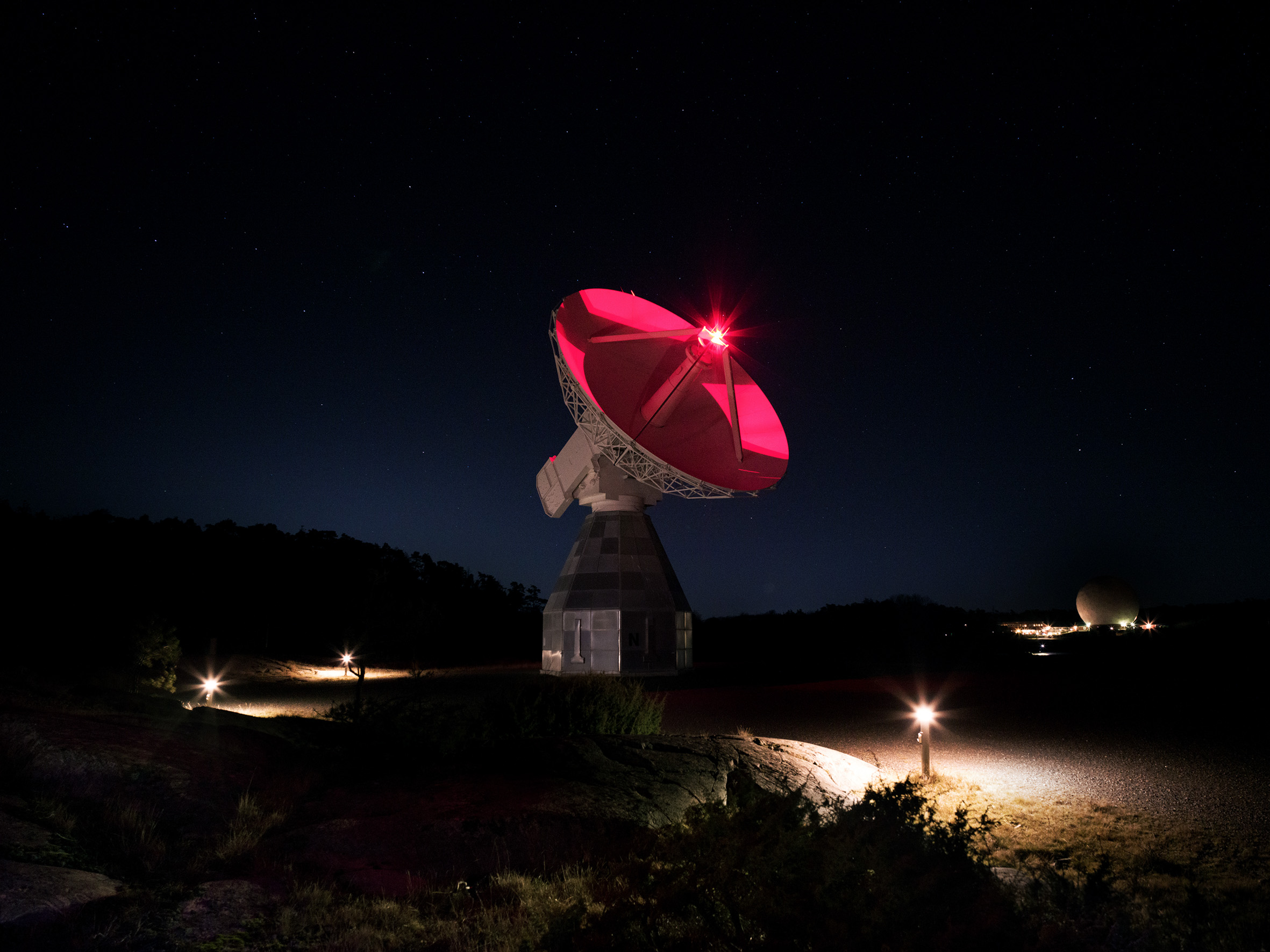
The Onsala Space Observatory | The twin telescope at night, December 2024
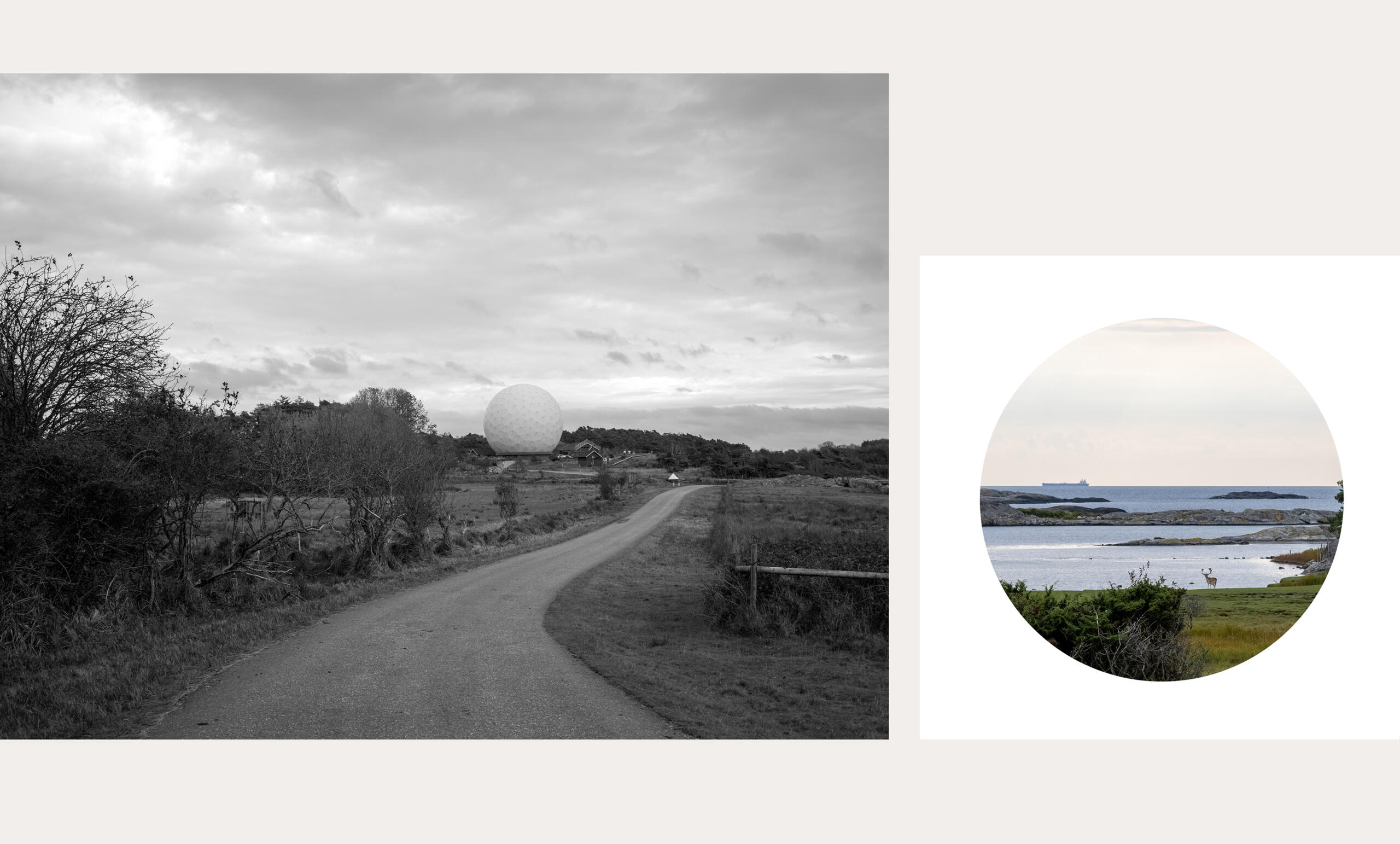
The Onsala Space Observatory | The 20 m telescope, January 2024
…………………………………………………………………………………………
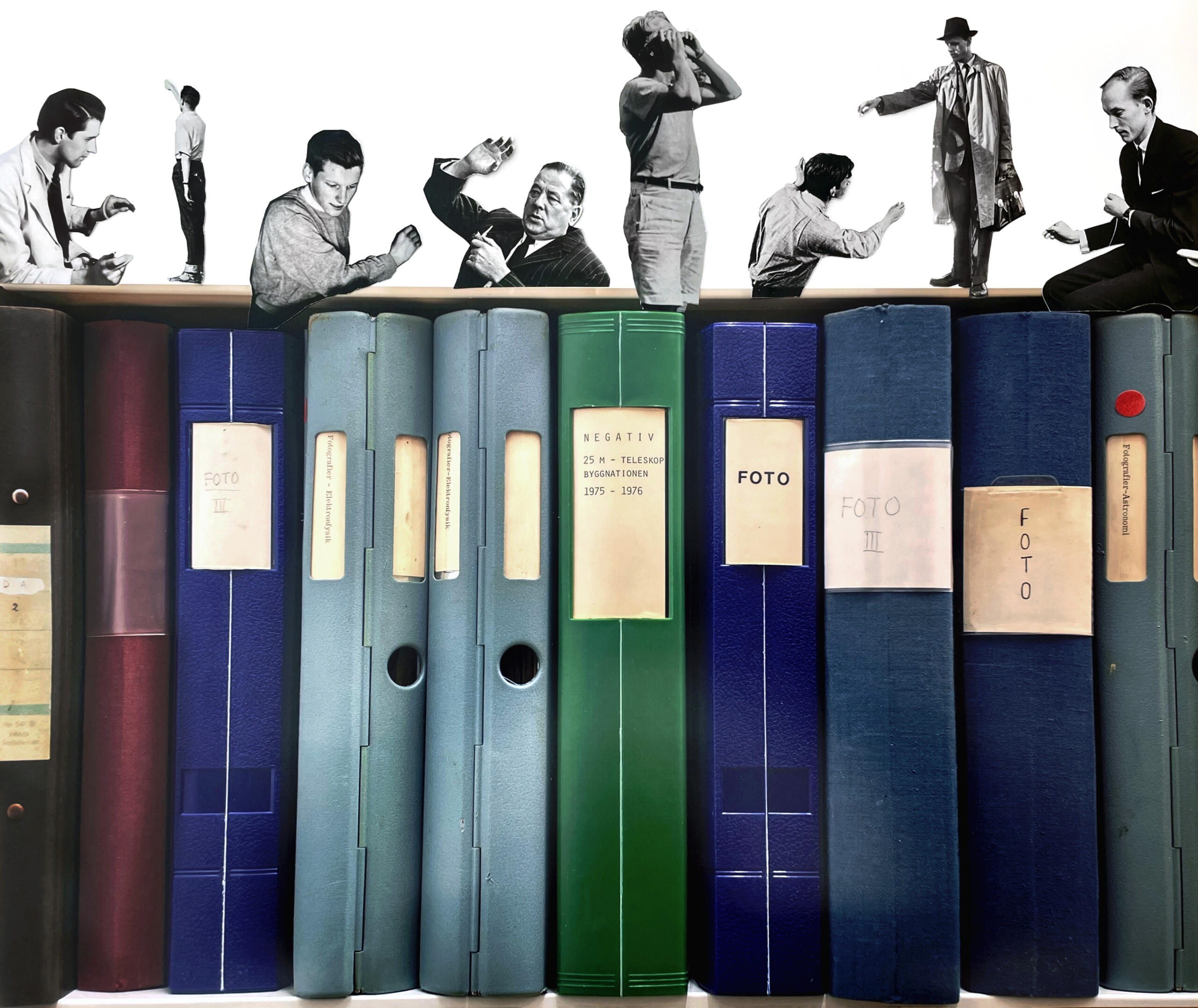
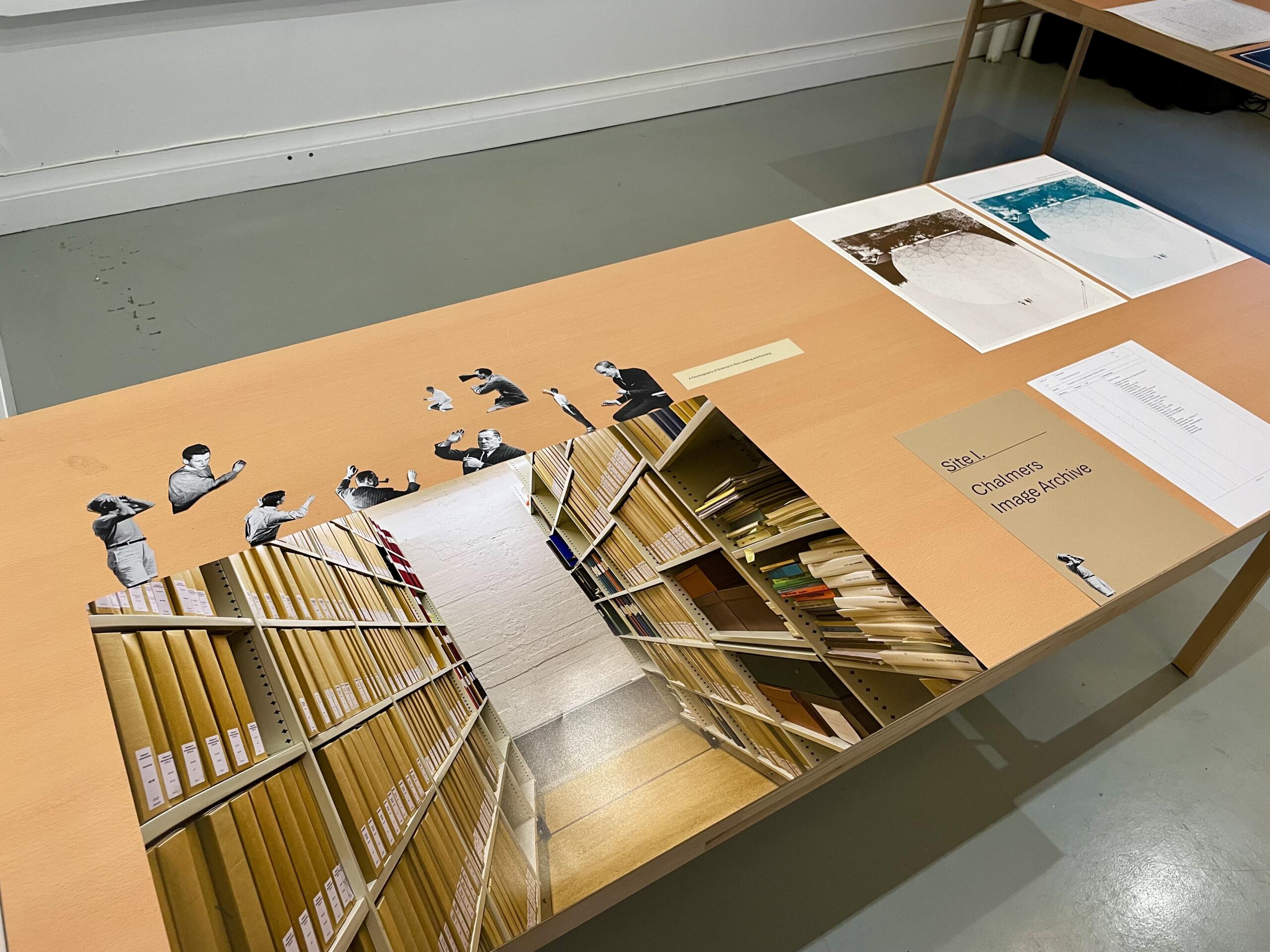
Below: Images and installation at the Onsala Space Observatory (May). Exhibition based on archive images from the Chalmers Central Archive.
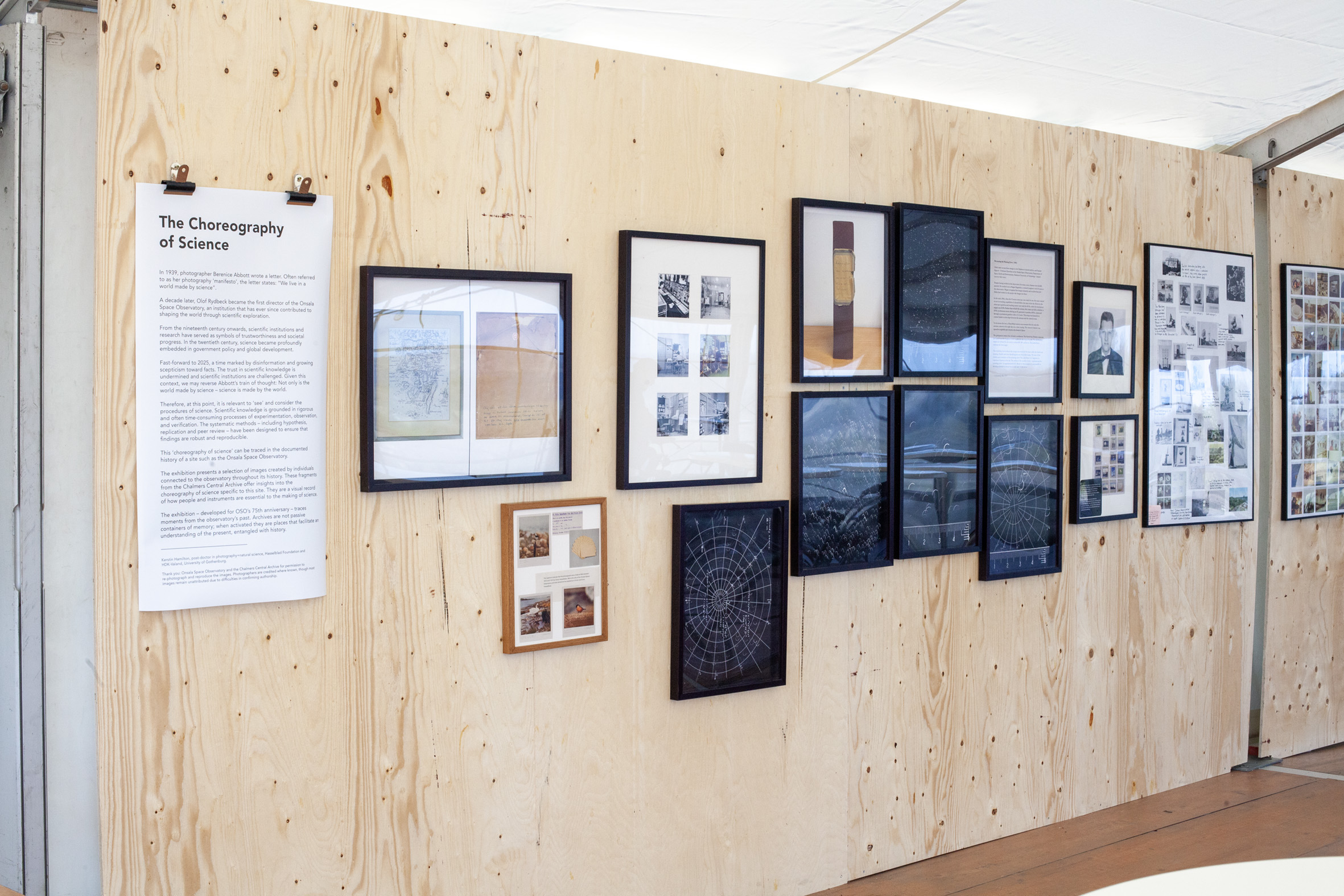
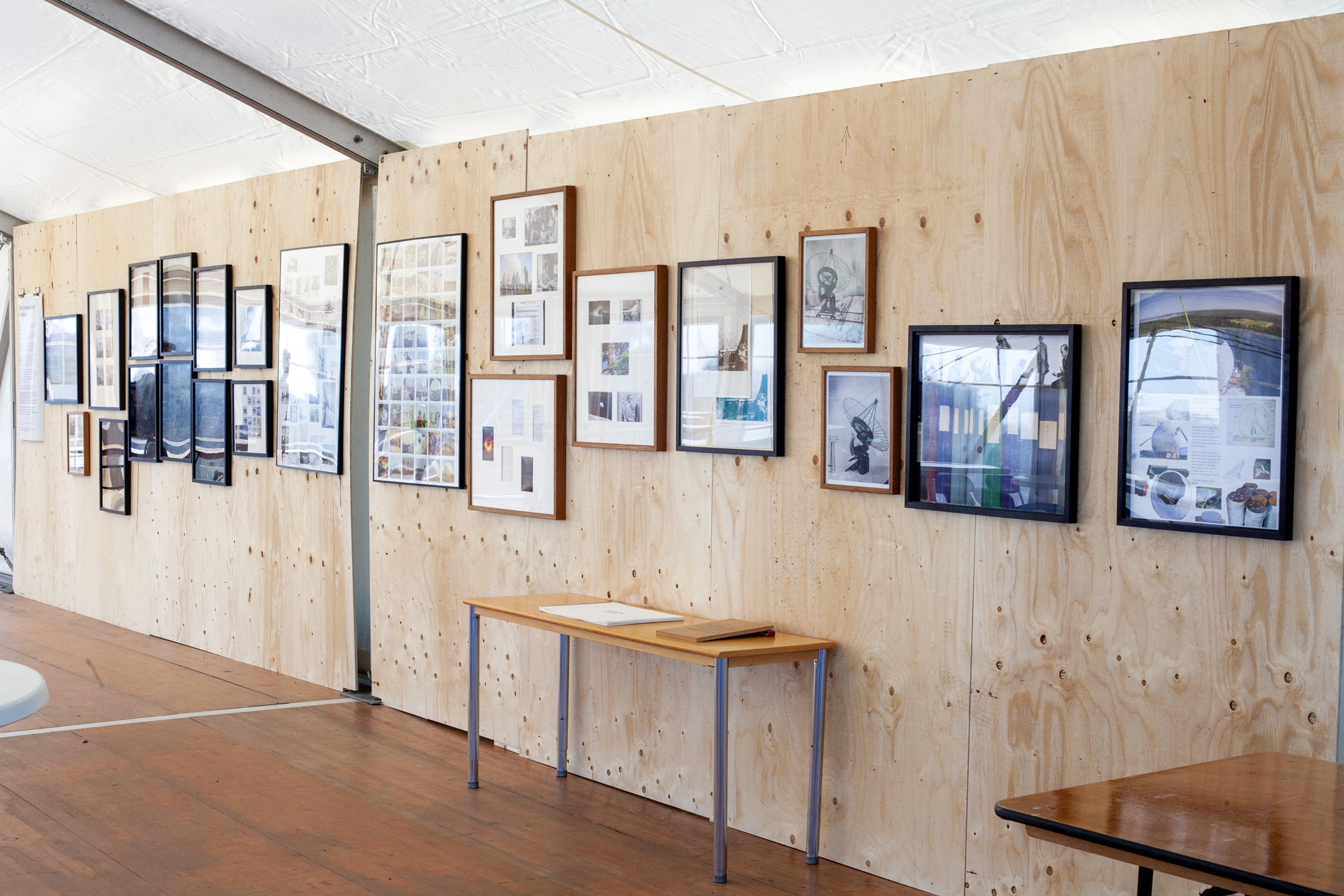
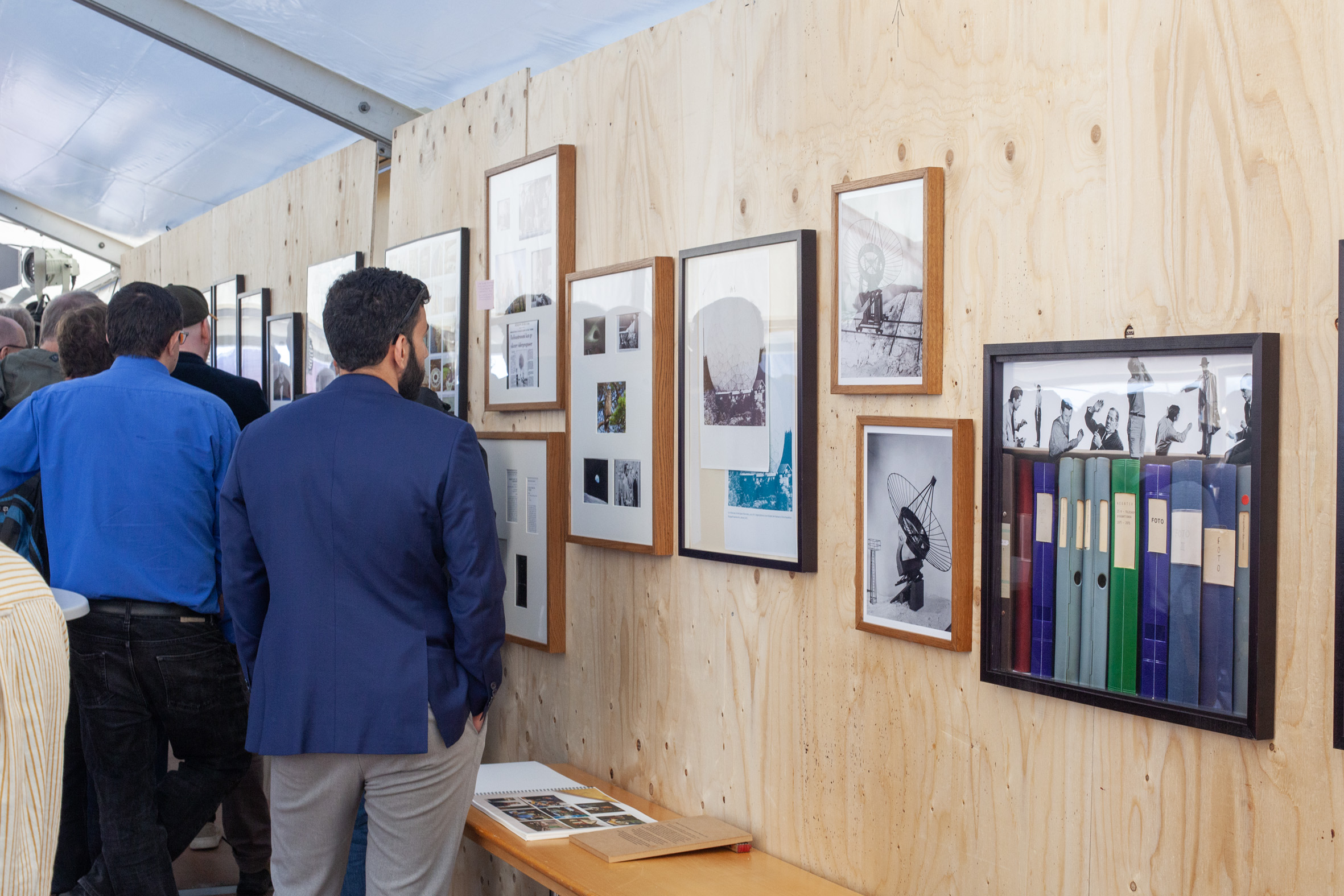
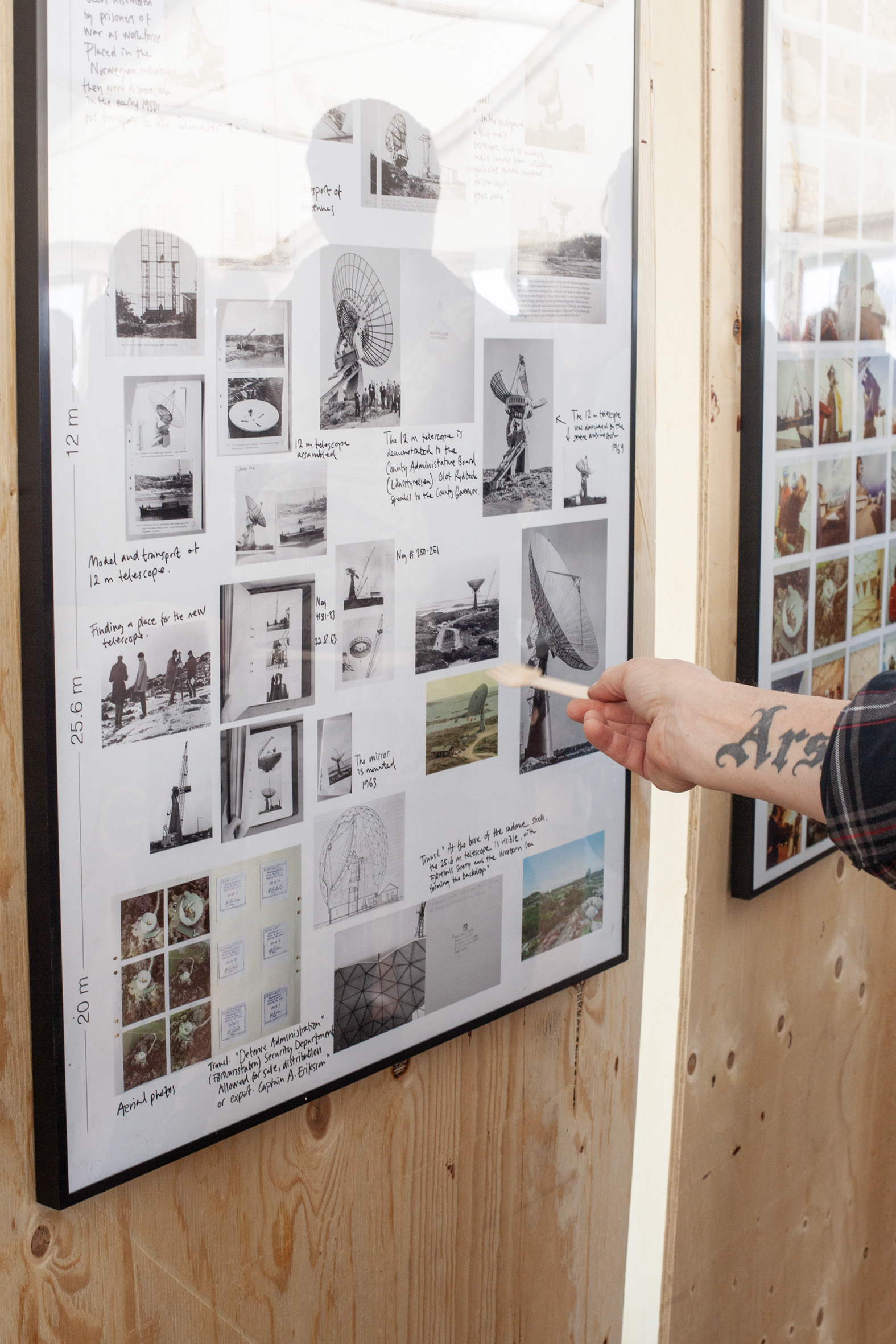
Titel: Men Pointing and Looking. The cut out figures are from historical photographs in the Chalmers Central Archive. The recurring gestures that appears not only reveal gendered structures in science but also highlight patterns: a choreography of bodies engaged in seeing, pointing, and constructing knowledge.
…………………………………………………………………………………………
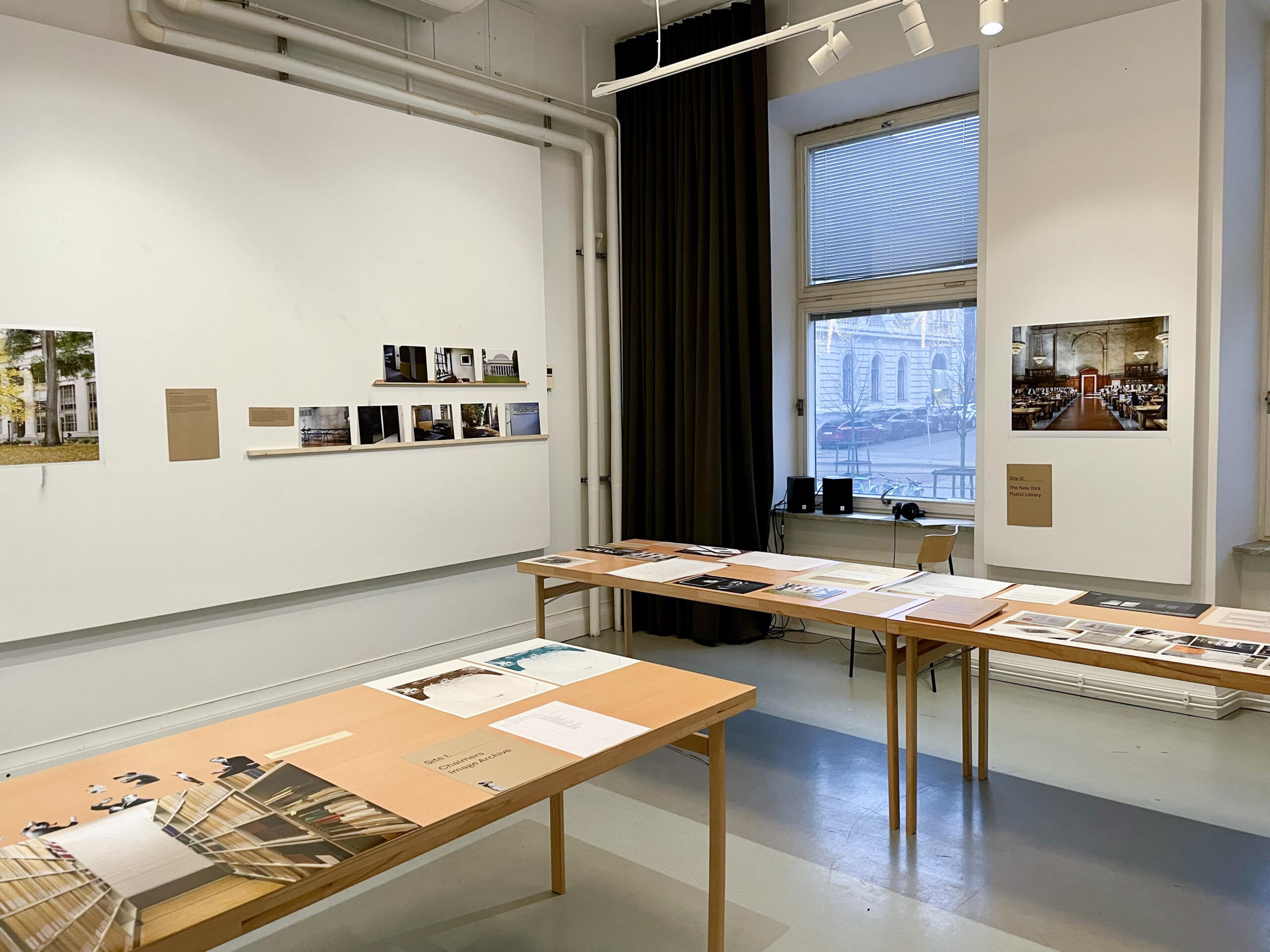
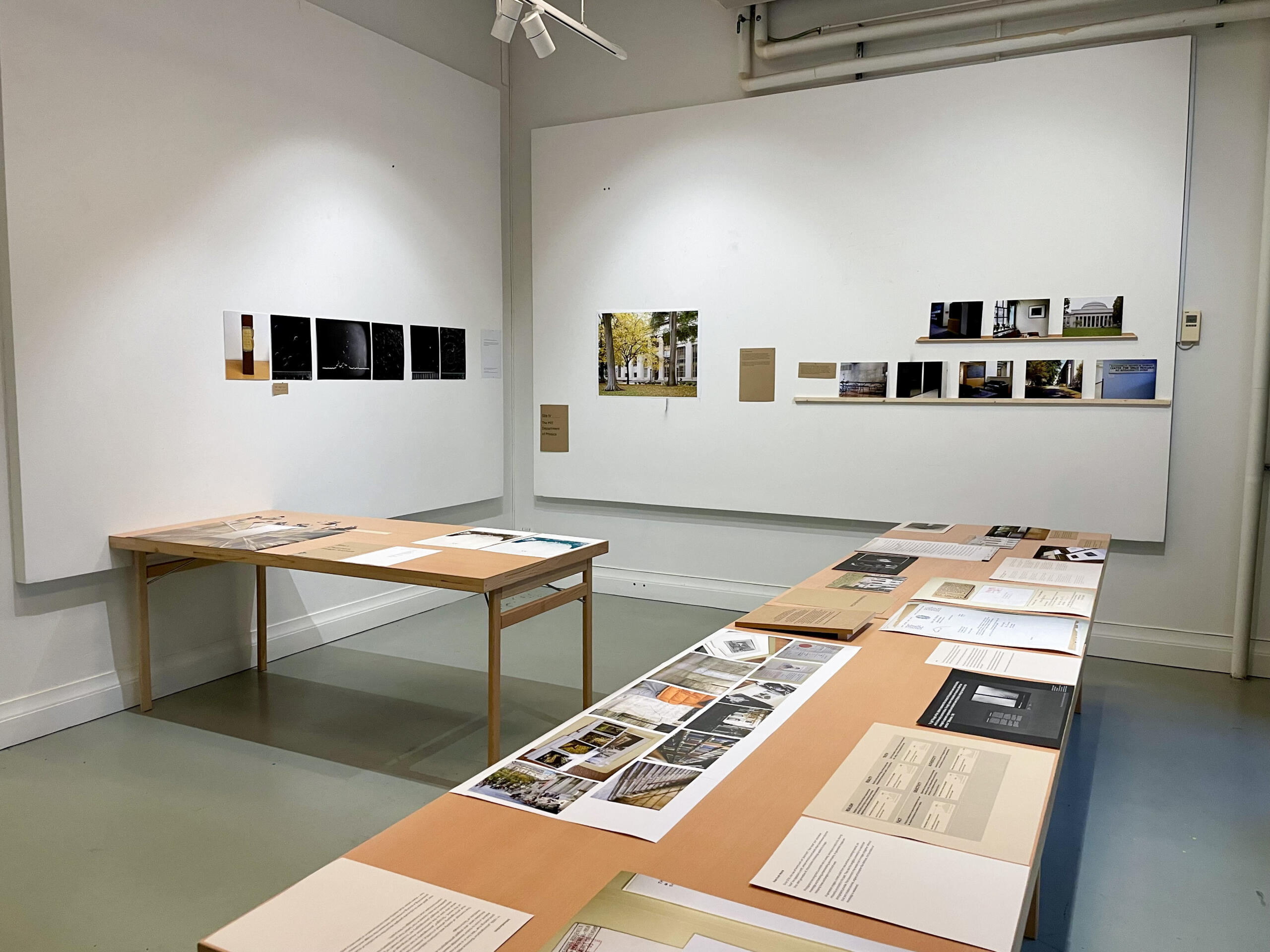
Below: Installation at HDK-Valand Research days (January). Link to video documentation.
…………………………………………………………………………………………
Below: Link to public conversation (September) at Bokmässan: Photography and research: Between objectivity and distrust (in English)
Presented at the Gothenburg Book Fair, the panel brought together voices from philosophy, science, and the arts to explore the role of images in research and knowledge production. Central questions included: What role does photography play in efforts to understand the world? How may something as distant and intangible as a black hole be photographed—and how do we come to trust such an image? In an age marked by growing skepticism toward facts and knowledge, where both photography and science are subject to doubt, how can we navigate the complex relationship between image and reality?
Participants: Åsa Wikforss, Professor of Theoretical Philosophy and member of the Swedish Academy John Conway, Professor of Radio Astronomy at Chalmers University of Technology and Director of the Onsala Space Observatory Moderator: Kerstin Hamilton, researcher in photography at HDK-Valand
…………………………………………………………………………………………
Below: Research trip to the New York Public Library and Massachusetts Institute of Technology (MIT)

New York Public Library | Deborah, Jonathan F. P., Samuel Priest, and Adam R. Rose Main Reading Room
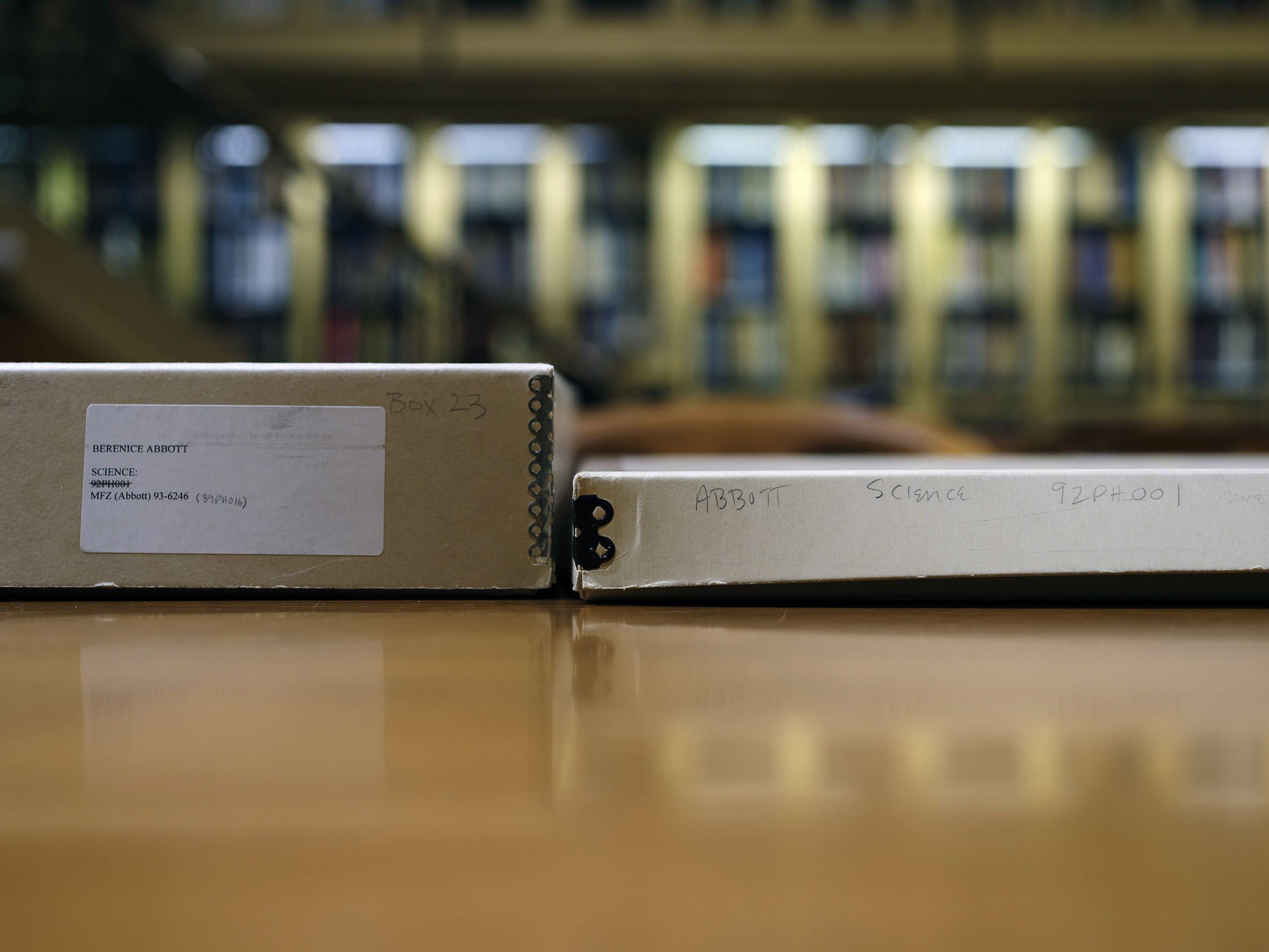
New York Public Library | The Brooke Russell Astor Reading Room for Rare Books and Manuscripts
New York Public Library
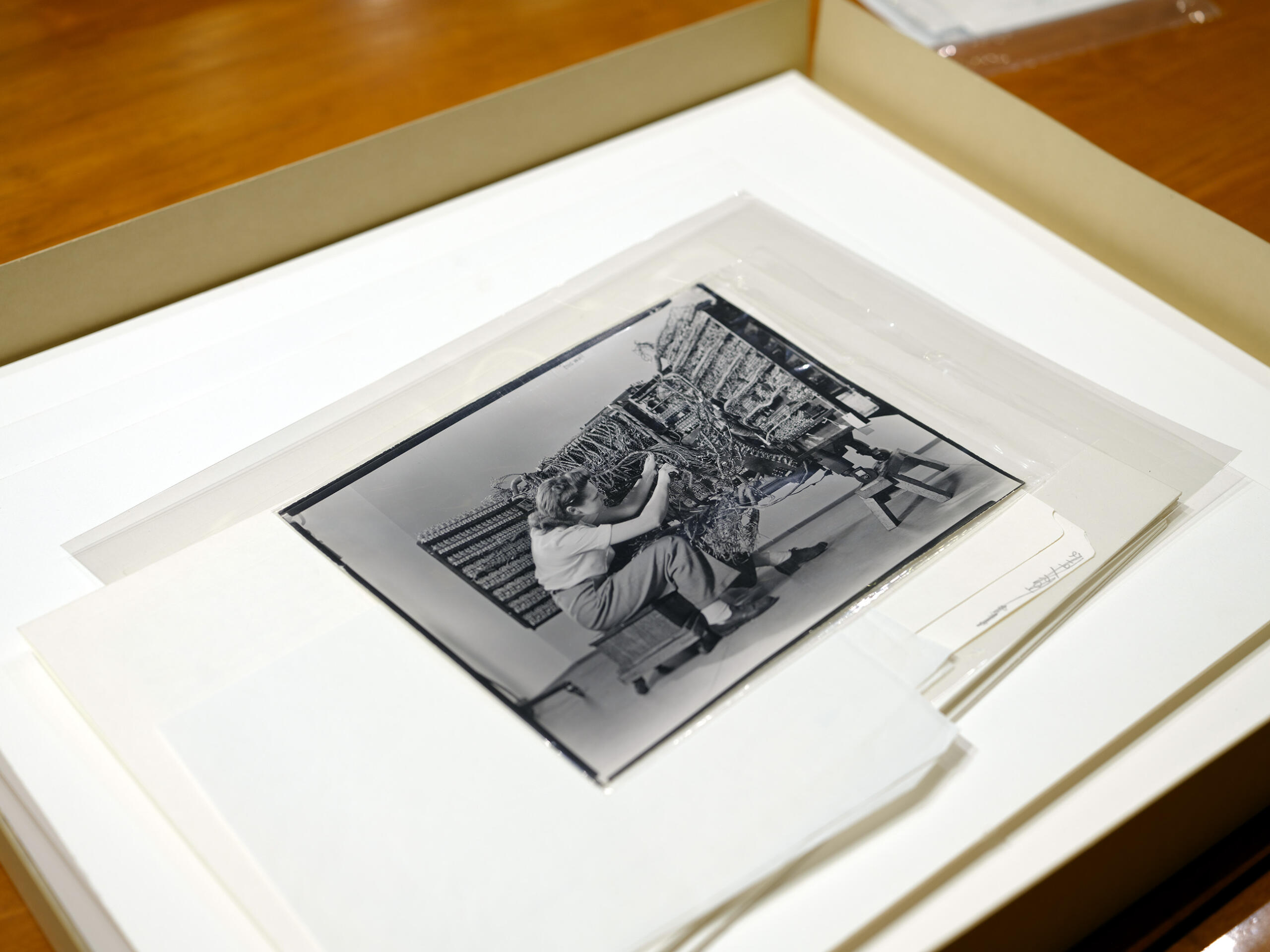
New York Public Library | The Brooke Russell Astor Reading Room for Rare Books and Manuscripts
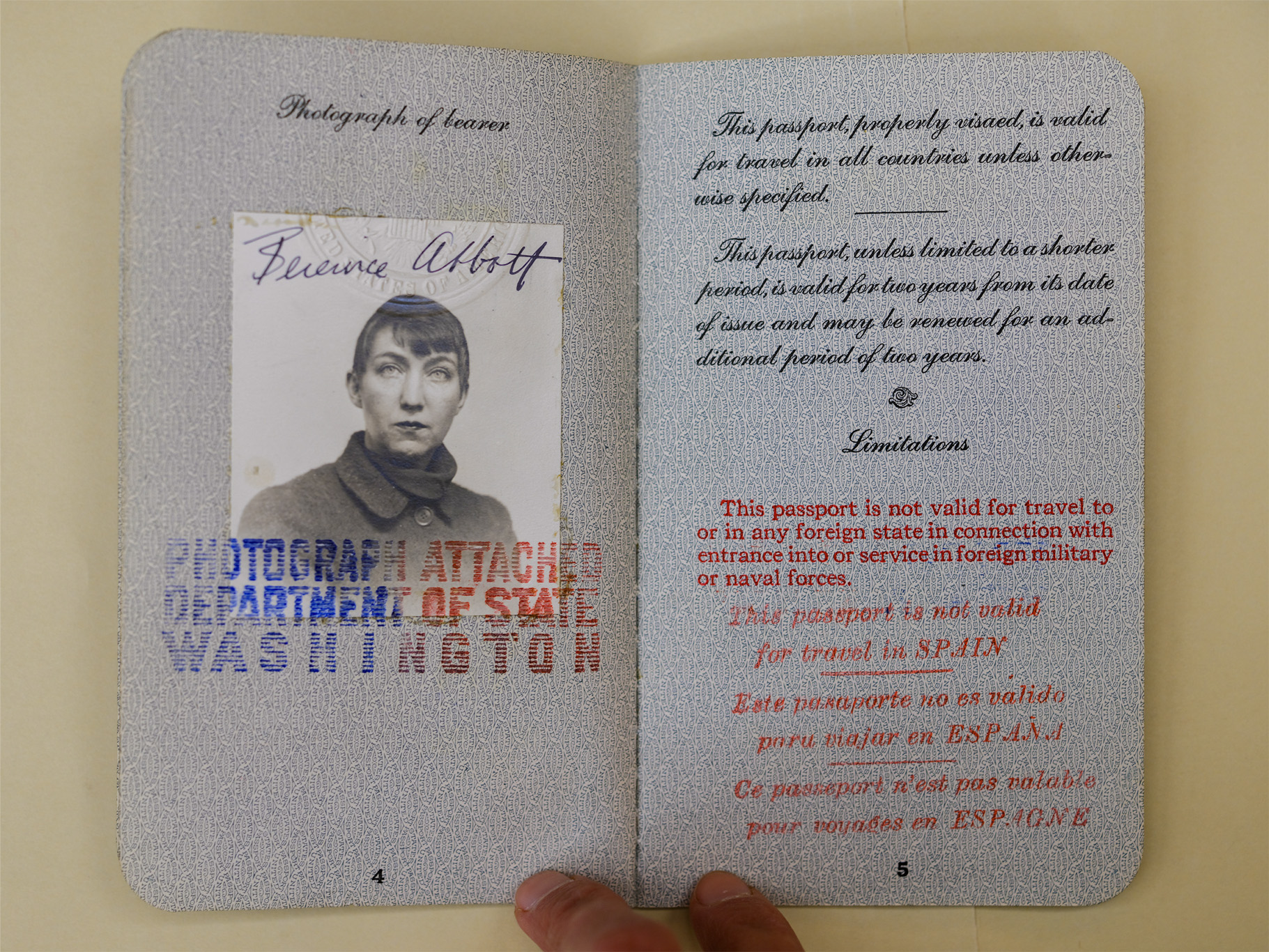
New York Public Library | The Brooke Russell Astor Reading Room for Rare Books and Manuscripts
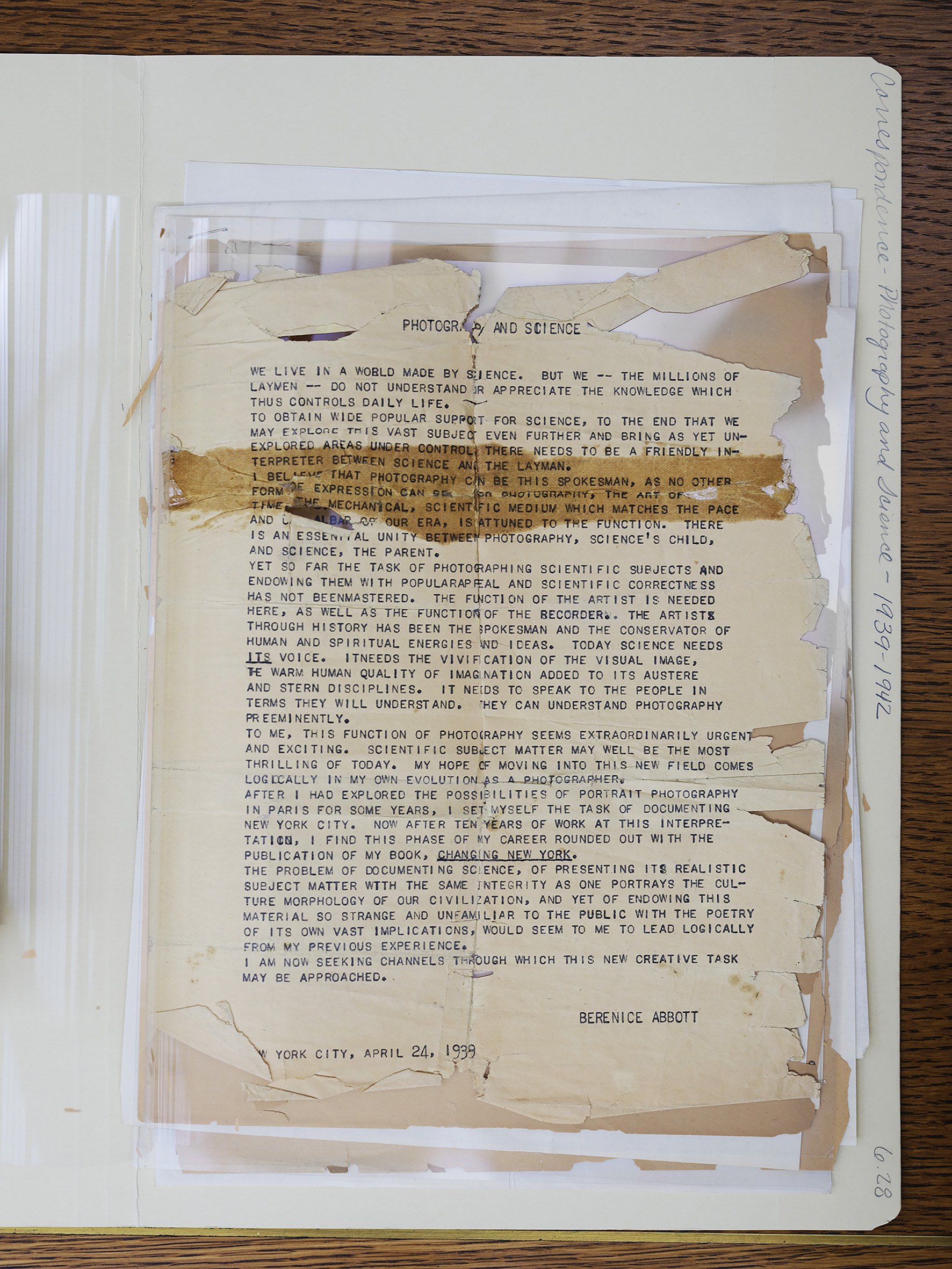
New York Public Library | The Brooke Russell Astor Reading Room for Rare Books and Manuscripts
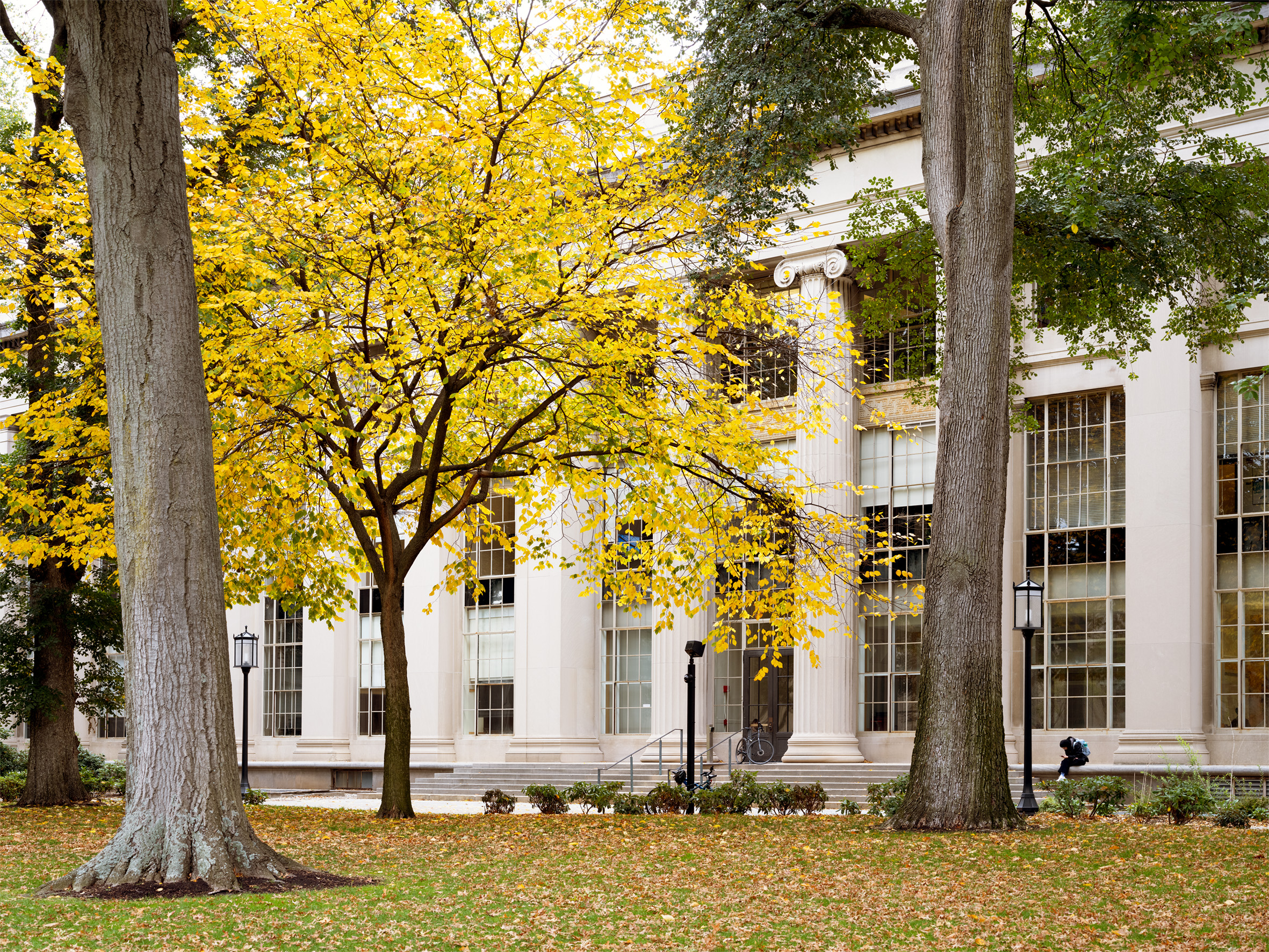
Massachusetts Institute of Technology, Maclaurin Buildings (4)
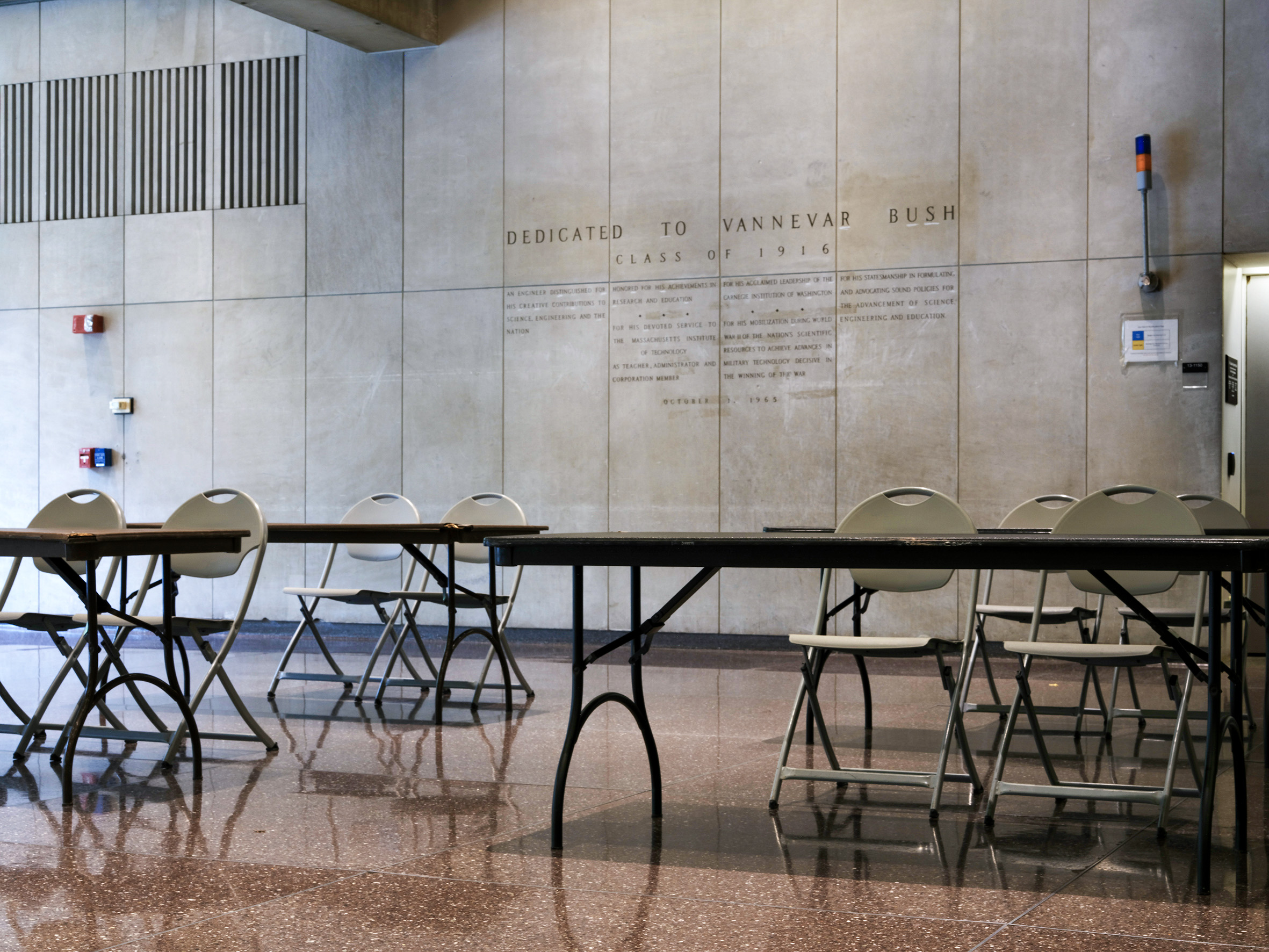
Massachusetts Institute of Technology, Bush Building (13)
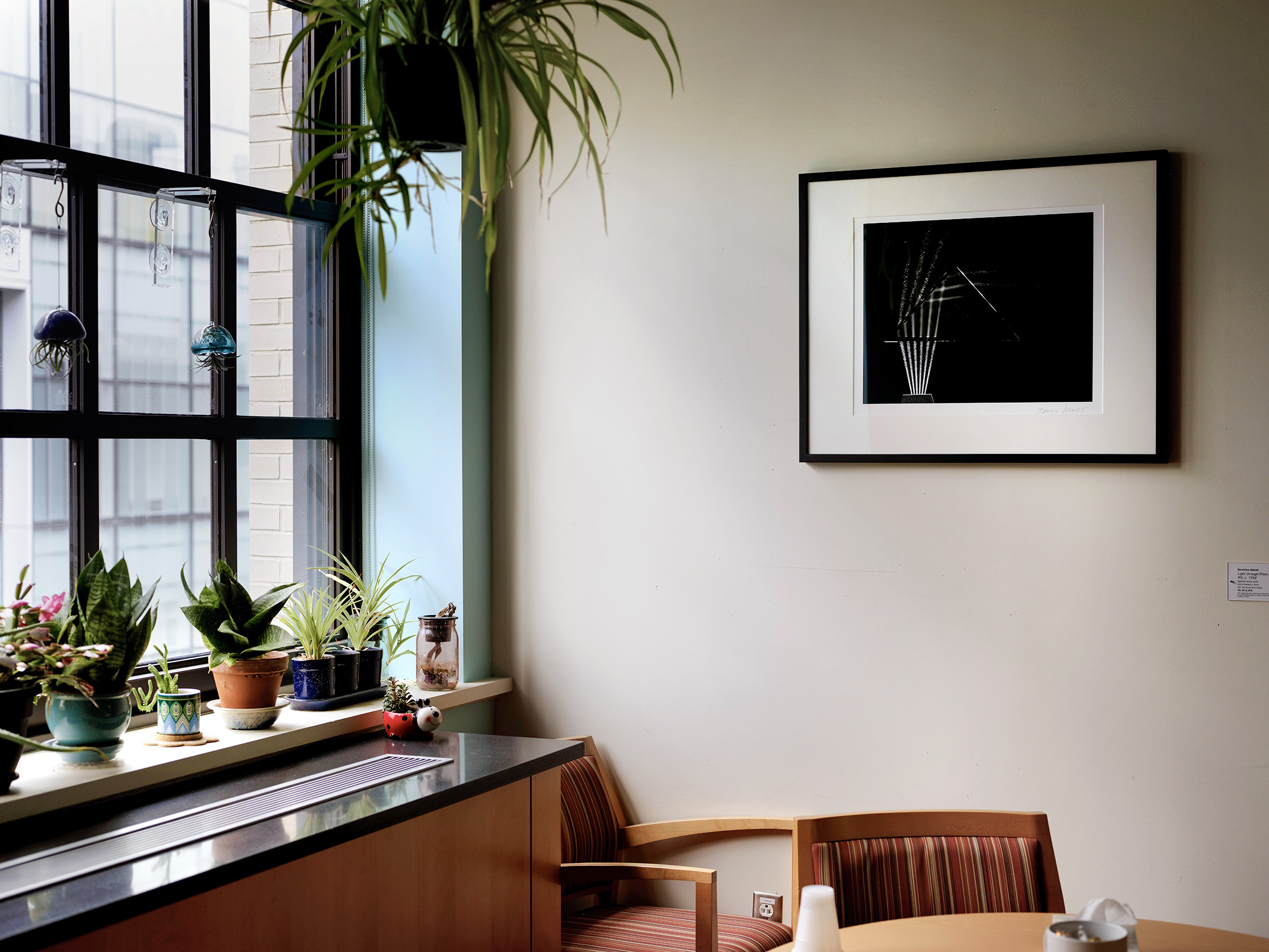
Massachusetts Institute of Technology, Department of Physics Academic Programs Office (building 4)